








Lasersec Technologies

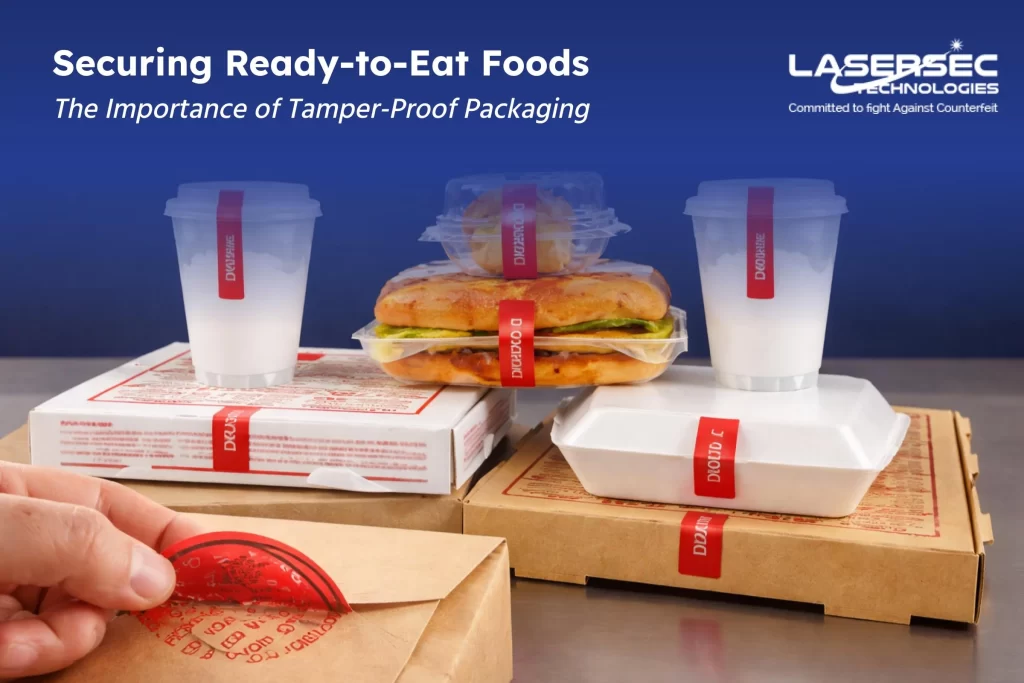
Tamper-proof seals on daily-use products ensuring safety and hygiene

A consumer picks up a bottle of cooking oil, a pack of biscuits, or a personal care product from a store shelf. Before checking the price or brand, there is a quiet, instinctive question:

Has this product been opened before?

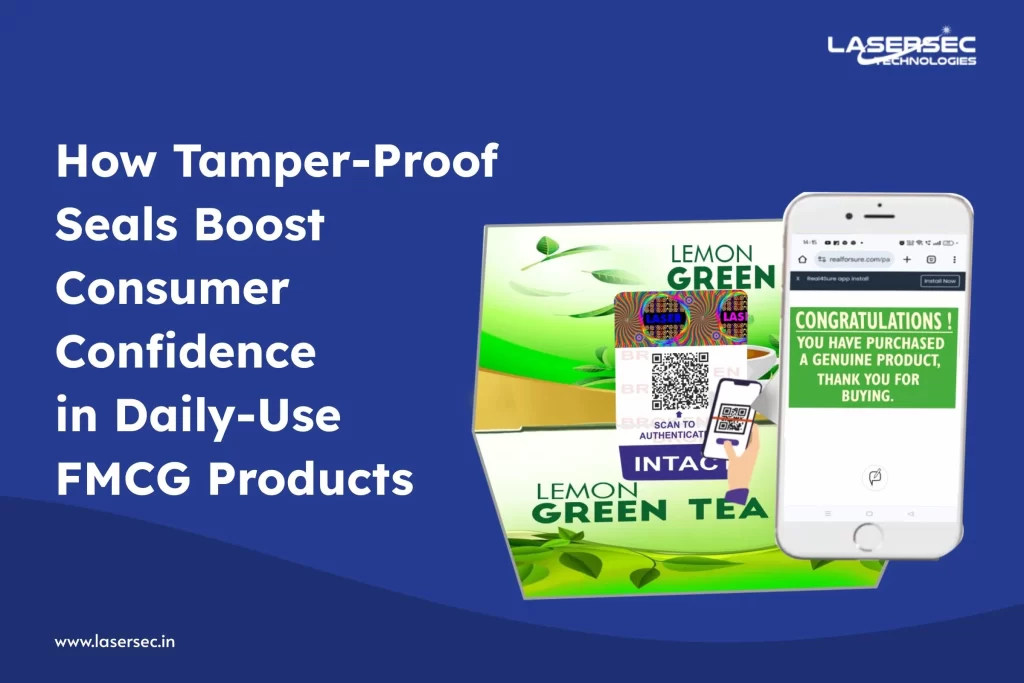
In the FMCG sector, where products are consumed daily and often immediately, consumer trust is built in seconds. Tamper-proof seals play a decisive role in this moment. They provide visible proof of product safety, protect hygiene, and reassure consumers that the brand has taken responsibility seriously.

For FMCG brand owners, packaging professionals, and quality teams, tamper-evident packaging is no longer optional. It is a foundational element of consumer confidence and brand protection.

Why Tamper Evidence Is Critical in the FMCG Industry

Fast-moving consumer goods directly affect health, hygiene, and everyday well-being. Even a small doubt about product integrity can lead to immediate rejection.

Without effective tamper-proof packaging, brands face risks such as:

  • Loss of consumer trust at the point of purchase
  • Product rejection at first use
  • Brand damage amplified through social media and word of mouth
  • Regulatory and retailer compliance challenges

Unlike durable goods, FMCG products allow no margin for uncertainty. A broken seal, loose cap, or unclear opening mechanism can raise concerns about contamination, adulteration, or prior use.

Tamper-evident seals eliminate this uncertainty by providing clear, irreversible evidence of first opening.

What Are Tamper-Proof Seals and How Do They Work?

Tamper-proof seals are packaging features designed to make any unauthorized opening immediately visible and impossible to reverse without detection.

Common tamper-evident packaging mechanisms used in FMCG include:

Once opened, these mechanisms cannot return to their original state. This simple principle—open once, show forever—is what makes tamper-proof seals so effective for consumer safety and trust.

How Tamper-Proof Seals Reassure Consumers at the Point of Purchase

Consumers may not understand packaging technology, but they clearly understand visual safety cues.

Tamper-evident packaging reassures consumers by offering:

  • Immediate visual confirmation that the product is untouched
  • Clear break-to-open indicators signaling first use
  • A consistent safety experience across batches and retail locations

This reassurance is especially important in high-sensitivity FMCG categories such as:

  • Food and beverages
  • Dairy and edible oils
  • Personal care and cosmetics
  • Home hygiene and cleaning products
  • Baby care and wellness items
In these segments, visible packaging safety directly influences buying decisions.

Maintaining Product Safety and Hygiene Across the Supply Chain

From manufacturing facilities to retail shelves, FMCG products pass through multiple touchpoints. Tamper-proof seals act as a silent guardian throughout this journey.

They help brands:

  • Detect unauthorized access during transportation and storage
  • Prevent product substitution, refilling, or partial usage
  • Reduce contamination and mishandling risks
  • Maintain hygiene until final consumption
For quality assurance and compliance teams, tamper-evident packaging provides a built-in control mechanism—one that complements audits, inspections, and process controls.

Protecting Brand Reputation in a Competitive FMCG Market

Brand reputation in FMCG is fragile and hard-earned. A single safety incident—real or perceived—can undo years of trust.

Tamper-proof seals support brand protection by:

  • Demonstrating accountability and transparency
  • Reducing the risk of counterfeit or refilled products entering the market
  • Supporting regulatory and retailer packaging requirements
  • Reinforcing a brand’s commitment to consumer well-being

When consumers repeatedly experience sealed, safe, and reliable packaging, trust becomes habitual—and brand loyalty follows.

Tamper Evidence as a Brand Trust Signal

Modern consumers expect brands to anticipate risks, not react to them. Tamper-proof seals send a subtle but powerful message:

This brand has prioritised your safety before you even asked.

For packaging and brand protection leaders, tamper evidence goes beyond compliance. It becomes a visible signal of responsibility, quality, and care—values that increasingly influence consumer choice.

Building Consumer Confidence Beyond the First Use

Consumer confidence does not end at the point of purchase. It extends to the moment of opening, daily usage, and repeat buying decisions.

A well-designed tamper-proof seal ensures that:

  • The first interaction reinforces trust
  • Product safety expectations are consistently met
  • Consumers feel confident repurchasing the same brand
In a category defined by frequent replacement and intense competition, this consistency is what separates trusted FMCG brands from forgettable ones.

Final Thoughts: Small Seal, Lasting Impact on FMCG Brands

Tamper-proof seals may appear simple, but their impact on FMCG packaging security is significant. They safeguard product integrity, protect hygiene, support compliance, and—most importantly—build consumer confidence where it matters most.

For FMCG brands focused on long-term trust, safety, and sustainable growth, investing in effective tamper-evident packaging is not merely a regulatory step. It is a strategic decision that strengthens the relationship between the brand and the consumer—one seal at a time.

How Lasersec Technologies Supports Smarter Packaging Security

At Lasersec Technologies, we help FMCG brands strengthen consumer trust through tamper-evident andphygital packaging solutions that combine visible security with digital authentication. Our solutions integrate security holograms, tamper-proof labels, QR-based verification, and track-and-trace systems to protect products across the supply chain. Each deployment is designed to meet compliance requirements while reinforcing brand integrity and packaging reliability.

Partner with Lasersec Technologies for Trusted FMCG Packaging

From food and personal care to hygiene and wellness products, Lasersec Technologies works with FMCG brands to build packaging systems that consumers can trust at first glance. Connect with our team to explore how tamper-evident and phygital packaging can strengthen your brand protection strategy.
Share :

Frequently Asked Questions

Related Blogs

Tamper-proof labels used in automotive parts packaging

Automotive components move through a long and complex supply chain before reaching service centers, distributors, and vehicle owners.

From manufacturing plants to warehouses, distributors, spare parts dealers, and repair workshops, automotive parts often pass through multiple hands before final installation.

While this network enables global distribution, it also creates opportunities for fraud and counterfeit infiltration.

One of the most common challenges in the automotive aftermarket is part swapping and component reuse.

In such cases, genuine components are removed from original packaging and replaced with counterfeit or refurbished parts before resale.

The packaging may appear genuine, but the product inside may not be the original component.

For automotive manufacturers and authorized distributors, this creates serious risks for product quality, brand reputation, and customer safety.

This is why tamper-proof labels are becoming an essential part of automotive packaging security.

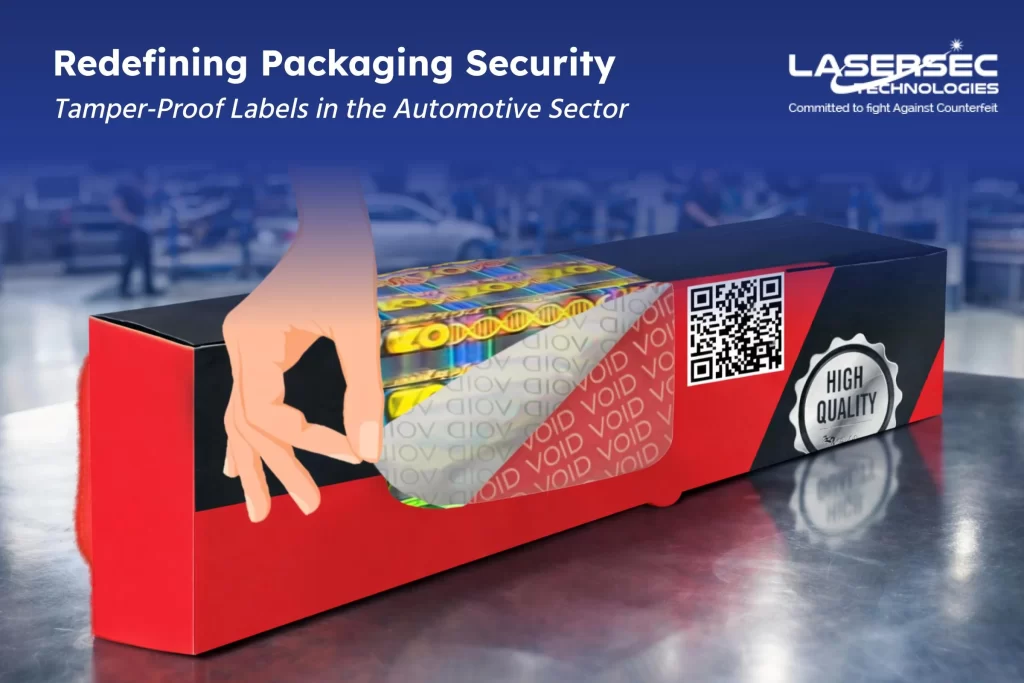
These labels provide clear visual evidence if packaging has been opened or altered, helping manufacturers protect genuine components from unauthorized reuse or substitution.

The Rising Risk of Counterfeit and Reused Automotive Parts

The global automotive aftermarket is worth billions of dollars and includes a wide range of spare parts such as filters, brake components, sensors, engine parts, and electrical modules.

This high demand makes the sector particularly vulnerable to counterfeit and fraudulent practices.

Some common risks include:

  • Counterfeit components sold in genuine packaging
  • Genuine parts removed and replaced with fake substitutes
  • Used or refurbished parts resold as new
  • Packaging opened and resealed during distribution
  • Unauthorized parts entering official supply chains

These practices not only affect brand credibility but can also lead to serious vehicle performance issues and safety risks.

For example, counterfeit brake pads, filters, or engine components can compromise vehicle reliability and increase the likelihood of mechanical failure.

Preventing such risks requires stronger packaging authentication and tamper detection mechanisms.

Why Standard Packaging Cannot Prevent Part Swapping

Traditional packaging used for automotive spare parts is primarily designed for product protection during transport and storage.

Boxes, cartons, and standard labels help identify the product but offer limited protection against deliberate tampering.

Common packaging elements such as:

  • Printed labels
  • Adhesive stickers
  • bar codes
  • Shrink wraps

can often be removed and replaced without obvious signs of interference.

This allows fraudulent actors to open packaging, swap components, and reseal the product while maintaining the appearance of authenticity.

As a result, counterfeit or reused parts may reach distributors or customers without immediate detection.

For high-value automotive components, manufacturers require packaging solutions that make any unauthorized access immediately visible.

What Are Tamper-Proof Labels in Automotive Packaging

Tamper-proof labels are specialized security labels designed to reveal clear evidence if someone attempts to remove or reposition them.

Unlike standard labels, tamper-evident labels incorporate materials and adhesives that prevent clean removal.

Once applied, these labels create a permanent bond with the packaging surface.

If someone tries to remove the label, it will typically:

  • Break apart
  • Leave visible adhesive residue
  • Display a hidden security message such as VOID

This makes it impossible to open packaging without leaving visible signs of interference.

Tamper-proof labels are widely used in automotive packaging to protect spare parts and ensure that products remain sealed until they reach authorized users.

Preventing Part Swapping and Reuse Fraud

Part swapping is one of the most common forms of fraud in the automotive aftermarket.

A genuine component may be removed from its original packaging and replaced with a counterfeit or low-quality substitute.

The packaging is then resealed and sold as a genuine product.

Tamper-proof labels help prevent this practice by ensuring that packaging cannot be opened without triggering visible damage.

Once someone breaks the label seal, they cannot restore it to its original condition.

This allows distributors, mechanics, and customers to immediately detect whether the packaging has been previously opened.

In addition, tamper-evident labels discourage fraudulent behavior because they increase the likelihood of detection.

Protecting Genuine Automotive Spare Parts

Automotive manufacturers invest heavily in engineering, testing, and quality control to ensure that their components meet strict performance and safety standards.

When counterfeit or substituted parts enter the market, these standards are compromised.

Tamper-proof labels help manufacturers protect genuine spare parts by ensuring that packaging integrity remains intact throughout the distribution process.

These labels may be placed across:

  • Carton opening flaps
  • Product sealing points
  • Spare part containers
  • Protective packaging layers

If anyone tries to access the product before delivery, the tamper-evident label clearly reveals the interference.

Strengthening Automotive Supply Chain Security

The automotive supply chain involves multiple intermediaries including logistics providers, warehouses, distributors, and service networks.

Because products move across multiple locations, monitoring packaging integrity becomes challenging.

Tamper-proof labels provide a simple yet effective way to strengthen supply chain security.

If a package arrives with a broken or damaged security label, it immediately signals that the product may have been accessed during transit.

This allows distributors to isolate suspicious products before they reach service centers or customers.

Such visibility improves supply chain control and reduces the risk of counterfeit or reused parts entering authorized networks.

Supporting Brand Protection in the Automotive Aftermarket

Brand reputation is critical for automotive manufacturers.

Customers rely on genuine spare parts to maintain vehicle performance, reliability, and safety.

When counterfeit or substituted components reach the market, the brand may be blamed even if the manufacturer was not responsible for the fraud.

Tamper-proof labels support brand protection by ensuring that genuine packaging cannot be opened or manipulated without detection.

Many manufacturers also integrate additional security features into tamper-evident labels, including:

  • Holographic security elements
  • Serialized identification codes
  • QR-based product authentication
These features make labels harder to replicate and provide additional verification capabilities for distributors and service centers.

Why Automotive Manufacturers Are Adopting Tamper-Evident Packaging

As counterfeit automotive parts become more sophisticated, manufacturers are strengthening packaging security to protect their products.

Tamper-proof labels provide several important advantages:

  • Prevention of part swapping and reuse fraud
  • Visible evidence of packaging interference
  • Protection of genuine spare parts
  • Improved supply chain monitoring
  • Stronger brand protection in aftermarket channels

These benefits make tamper-evident labels an increasingly important component of modern automotive packaging strategies.

How Lasersec Technologies Supports Automotive Packaging Security

At Lasersec Technologies, we provide advanced tamper-proof labeling solutions designed to protect automotive components throughout the supply chain.

Our tamper-evident labels integrate specialized materials and security features that make packaging interference immediately visible.

These solutions help automotive manufacturers:

  • Prevent spare part substitution and reuse fraud
  • Protect genuine components from tampering
  • Strengthen packaging authentication
  • Improve supply chain security
  • Safeguard brand reputation in aftermarket channels

By integrating tamper-proof labeling technologies into automotive packaging, we help brands maintain product integrity from manufacturing to installation.

Security labels on pharmaceutical packaging helping prevent product recalls through authentication and tamper evidence.

A pharmaceutical product entering regulated markets goes through extensive validation before reaching patients. Manufacturing protocols, quality checks, serialization requirements, and regulatory documentation ensure that the product complies with strict global standards.

Despite these safeguards, pharmaceutical recalls continue to occur across global markets.

In many cases, recalls are not only triggered by manufacturing defects but also by packaging tampering, counterfeit infiltration, labeling inconsistencies, or supply chain diversion.

For pharmaceutical manufacturers operating in highly regulated markets, a recall can have significant consequences.

It disrupts supply chains, affects patient access to essential medicines, triggers regulatory scrutiny, and can cause lasting reputational damage.

To reduce these risks, many pharmaceutical companies are adopting multilayer security labels as part of their packaging strategy.

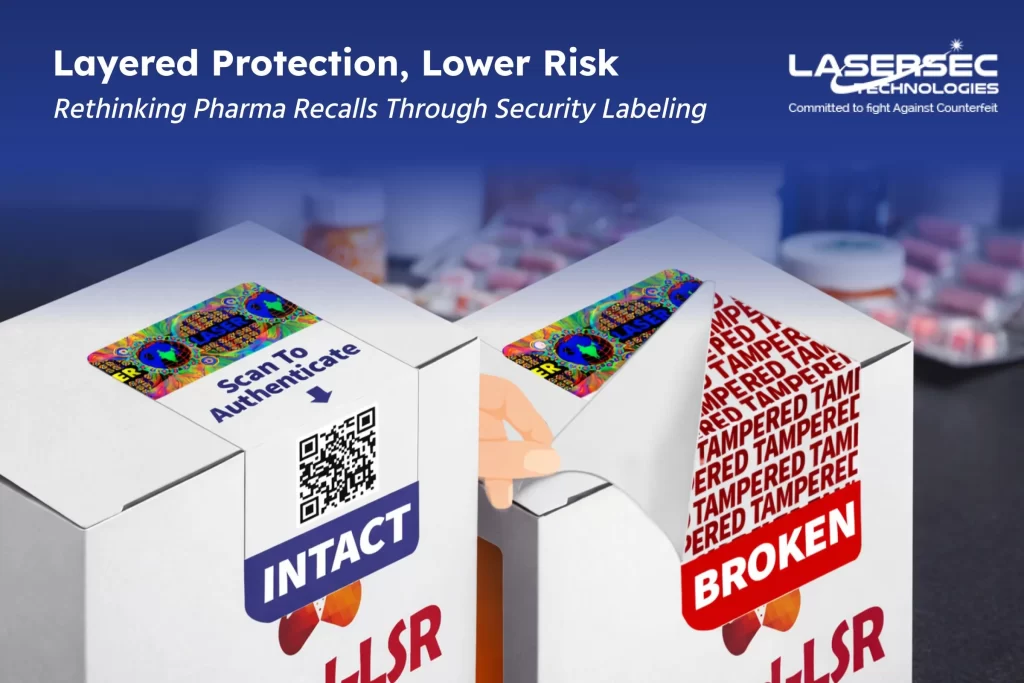
These advanced labels integrate multiple security technologies—such as tamper-evident features, holographic authentication, serialization layers, and Track & Trace capabilities—creating a powerful system that strengthens product integrity throughout the supply chain.

Understanding Recall Risks in Highly Regulated Pharmaceutical Markets

Pharmaceutical recalls occur when products must be removed from distribution due to safety concerns, regulatory non-compliance, or product authenticity issues.

Common triggers for recalls include:

  • Packaging tampering or seal integrity failure
  • Counterfeit products entering distribution channels
  • Labeling or identification inconsistencies
  • Unauthorized product diversion
  • Inability to verify product origin or authenticity
Regulatory authorities require manufacturers to demonstrate strong product traceability and packaging integrity across the entire supply chain.

If a product cannot be verified quickly or if packaging authenticity becomes questionable, regulators may require precautionary recalls even when the drug itself is safe.

This makes packaging security a critical component of recall prevention.

The Limitations of Single-Layer Packaging Security

Many pharmaceutical products still rely on single-layer security mechanisms such as basic tamper seals or printed authentication elements.

While these measures provide some level of protection, they are often insufficient against modern counterfeiting techniques.

Single-layer packaging security can be vulnerable because:

  • Tamper seals can sometimes be removed and replaced
  • Printed security features can be copied or replicated
  • Labels without serialization cannot provide unique product identification
  • Lack of traceability limits supply chain visibility

When packaging security is limited to a single protection mechanism, it becomes easier for counterfeiters or unauthorized distributors to bypass detection.

This increases the likelihood that compromised products may reach distribution networks before being identified.

What Are Multilayer Security Labels in Pharmaceutical Packaging

Multilayer security labels combine multiple authentication and protection technologies within a single packaging element.

Instead of relying on one security feature, multilayer labels integrate several layers of protection that work together to safeguard product integrity.

These labels typically include:

  • Tamper-evident structures that reveal if packaging has been opened
  • Holographic security elements that are extremely difficult to replicate
  • Serialized identification codes linked to product data
  • Digital authentication through Track & Trace systems

Each layer adds an additional barrier against counterfeiting, tampering, and supply chain manipulation.

Together, these features transform a simple packaging label into a comprehensive security platform.

The Role of Tamper-Evident Features in Preventing Packaging Compromise

Tamper-evident security is one of the most important components of multilayer pharmaceutical labels.

These features are designed to clearly indicate if a package has been opened or altered after leaving the manufacturing facility.

Tamper-evident labels may include mechanisms such as:

  • VOID security patterns that appear when labels are removed
  • Destructible label materials that break during removal
  • Adhesive residue that reveals interference
  • Security cuts or structural damage indicators

If tampering occurs, the label cannot be restored to its original condition.

This provides immediate visual evidence that packaging integrity has been compromised.

In regulated pharmaceutical markets, such clear tamper indicators are critical for maintaining product safety and preventing compromised medicines from reaching patients.

Strengthening Authentication with Holographic Security Layers

Holographic security features add an additional layer of authentication to pharmaceutical packaging.

Unlike conventional printing, holograms use complex optical structures that create dynamic visual effects under different lighting conditions.

These features are extremely difficult to reproduce using standard printing technologies.

In pharmaceutical labels, holographic elements help:

  • Provide visible authentication for regulators and distributors
  • Deter counterfeit replication of packaging
  • Enhance brand identification and packaging security
Because holographic technology requires specialized manufacturing processes, counterfeiters find it significantly harder to replicate these security elements accurately.

Serialization: Enabling Unit-Level Pharmaceutical Traceability

Serialization is a regulatory requirement in many pharmaceutical markets worldwide.

Serialized labels assign unique identification codes to each individual product unit, enabling precise tracking throughout the supply chain.

These codes may appear in the form of:

  • Serialized QR codes
  • Data matrix codes
  • Unique product identifiers linked to databases

Serialization allows manufacturers and regulators to verify:

  • Product origin
  • Manufacturing batch information
  • Distribution records
  • Product authenticity

If duplicate or invalid codes are detected, the system can immediately flag potential counterfeit activity.

This capability significantly reduces the risk of counterfeit products entering legitimate pharmaceutical distribution channels.

How Track & Trace Systems Improve Recall Management

Track & Trace technology provides a digital infrastructure that connects serialized packaging data with supply chain monitoring systems.

Every time a serialized product code is scanned within the supply chain, a verification record can be created.

This provides valuable visibility into product movement across markets.

Track & Trace systems allow pharmaceutical companies to:

  • Monitor distribution channels
  • Identify unauthorized product diversion
  • Detect suspicious product scans
  • Verify product authenticity instantly

If a potential issue arises, manufacturers can quickly identify affected product batches and isolate them before they spread through the supply chain.

This precision significantly reduces the scale and impact of potential recalls.

Why Quality and Regulatory Leaders Are Prioritizing Multilayer Security Labels

Quality assurance leaders, regulatory compliance teams, and supply chain managers are increasingly recognizing that packaging security plays a critical role in risk mitigation.

Multilayer security labels offer several advantages for regulated pharmaceutical markets:

  • Strong protection against counterfeit infiltration
  • Clear tamper evidence for packaging integrity
  • Unit-level serialization for traceability
  • Integration with Track & Trace compliance systems
  • Faster identification and containment of supply chain risks
These benefits help manufacturers maintain compliance while reducing the likelihood of large-scale recalls triggered by packaging authenticity concerns.

How Lasersec Technologies Supports Secure Pharmaceutical Labeling

At Lasersec Technologies, we develop advanced multilayer security labels designed to help pharmaceutical manufacturers protect products in regulated markets.

Our solutions combine tamper-evident label structures, holographic security elements, serialization-ready designs, and authentication capabilities to create a comprehensive packaging protection system.

These multilayer labels help pharmaceutical companies:

  • Prevent counterfeit drug infiltration
  • Strengthen packaging authentication
  • Support serialization and Track & Trace compliance
  • Protect supply chain integrity
  • Reduce risks associated with product recalls

By integrating multiple security layers into pharmaceutical packaging, we help manufacturers enhance both product safety and regulatory confidence.