







Lasersec Technologies

Your Guide to Anti-Counterfeiting

Author: Manish Garg

Author: Manish Garg

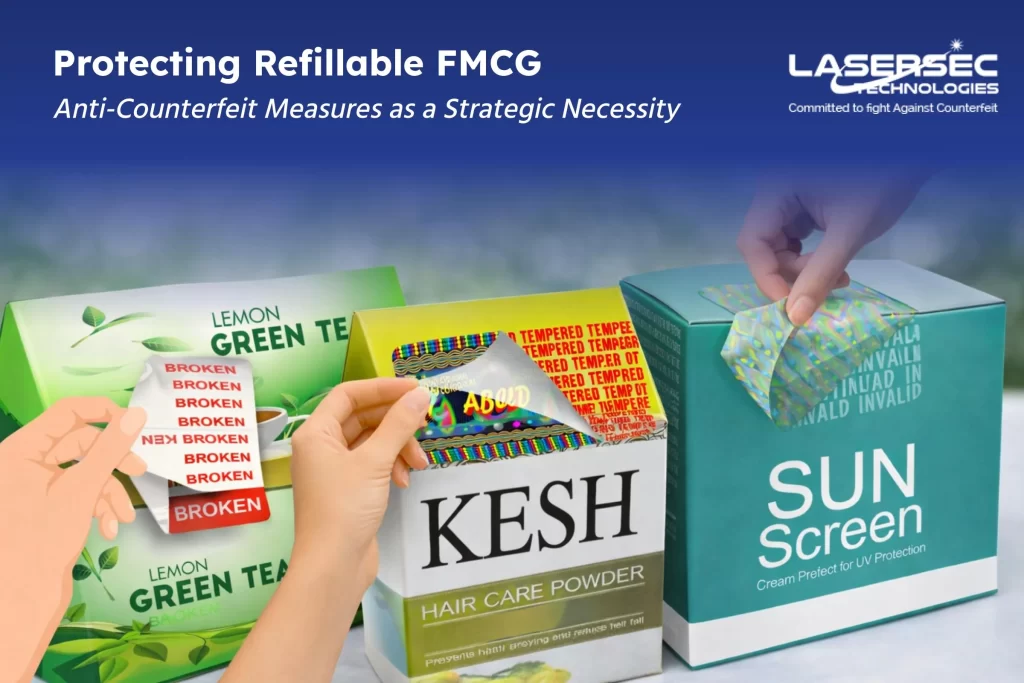
Anti-counterfeit packaging for refillable FMCG products

Sustainability is becoming a major priority for FMCG brands worldwide.

Many companies are redesigning packaging systems to reduce plastic waste, minimize environmental impact, and encourage circular consumption models.

One of the most widely adopted approaches is refillable packaging.

Consumers purchase a durable container once and then refill it with product pouches, sachets, or refill packs. This model significantly reduces packaging waste and supports long-term sustainability goals.

However, while refillable packaging improves environmental performance, it also introduces new security challenges.

Refill packs and reusable containers can become targets for counterfeit products if authentication mechanisms are not integrated into the packaging system.

For FMCG brands focused on sustainability innovation, ensuring both environmental responsibility and product authenticity is becoming increasingly important.

The Rise of Refillable Packaging in the FMCG Industry

Refillable packaging systems are becoming increasingly common across FMCG categories such as:

  • Personal care products
  • Household cleaning products
  • Liquid detergents
  • Beauty and skincare products
  • Food and beverage concentrates

In these systems, consumers typically purchase a primary container that is designed for repeated use.

Refill packs allow the consumer to replenish the product without discarding the main container.

This model offers several sustainability benefits:

  • Reduced plastic consumption
  • Lower packaging waste
  • Reduced transportation impact due to lighter refill packs
  • Improved lifecycle efficiency for packaging materials
While these advantages are significant, refillable systems also create new vulnerabilities for product authenticity.

The Counterfeit Risk in Refillable FMCG Products

In refill-based systems, the original container often remains in use for a long period of time.

Consumers rely on refill packs to maintain product quality and performance.

However, counterfeiters may attempt to exploit this system by introducing fake refill packs or unauthorized refilling practices.

Some common risks include:

  • Counterfeit refill pouches imitating branded refill packs
  • Unauthorized refill stations offering diluted or fake products
  • Reused containers filled with non-genuine formulations
  • Repackaged counterfeit products sold as genuine refills

Because consumers already possess the original container, they may assume that any refill product associated with that brand is authentic.

Without authentication features, distinguishing genuine refills from counterfeit ones becomes extremely difficult.

Why Traditional Packaging Security May Not Work for Refill Systems

Traditional anti-counterfeit strategies often focus on protecting the primary product packaging.

However, refill systems change the structure of product distribution.

Instead of purchasing a completely new packaged product each time, consumers rely on secondary refill formats.

These refill packs are often:

  • Smaller
  • Flexible pouches or sachets
  • Lightweight packaging formats

Because refill packs are designed to reduce material usage, they may contain fewer physical security elements.

This creates opportunities for counterfeiters to replicate packaging designs more easily.

For FMCG brands investing in sustainability-driven packaging systems, security must evolve alongside sustainability initiatives.

The Authentication Challenges of Reusable Containers

Reusable containers present another layer of complexity for product authentication.

Since the primary container may remain in use for months or even years, the container itself does not necessarily verify the authenticity of the product inside.

A consumer may refill the container multiple times, but there is no guarantee that the refill used is genuine.

Without proper authentication mechanisms, several issues can arise:

  • Consumers unknowingly using counterfeit refills
  • Diluted or substandard products affecting performance
  • Negative brand experiences caused by fake formulations
  • Difficulty tracing product origin
In such scenarios, the brand may still be blamed even though the counterfeit refill was not produced by the manufacturer.

Integrating Authentication into Refill Packaging

To address these risks, FMCG brands are increasingly integrating authentication technologies directly into refill packaging systems.

These technologies help verify product authenticity while maintaining the sustainability advantages of refill models.

Common authentication solutions include:

These features allow consumers, retailers, and manufacturers to confirm that the refill product originates from an authorized source.

How QR-Based Authentication Supports Refillable Packaging

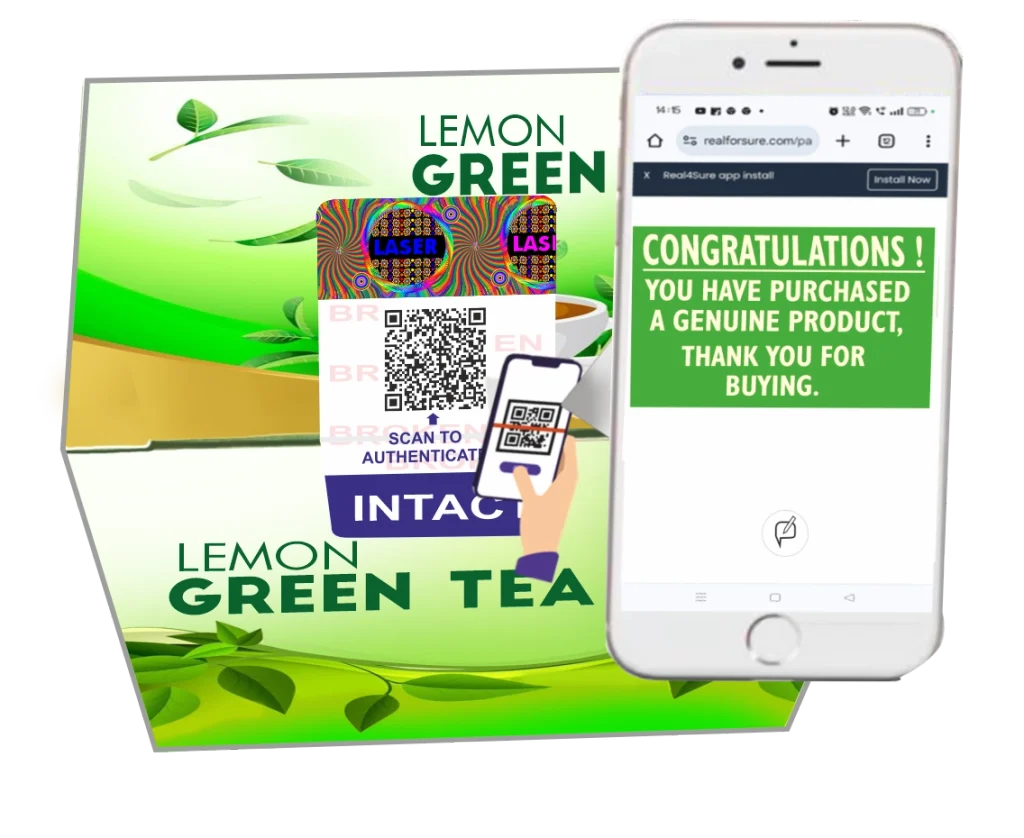
QR code authentication is particularly well suited for refill packaging because it requires minimal packaging material while enabling powerful verification capabilities.

Each refill pack can carry a unique scannable QR code linked to a secure authentication system.

When scanned, the system can verify:

  • Whether the refill product is genuine
  • Manufacturing origin and batch details
  • Product authenticity status
  • Brand verification information

This creates a simple verification process that consumers can perform using their smartphones.

If duplicate scans or suspicious activity occurs, the system can flag potential counterfeit distribution.

Supporting Transparency in Sustainable FMCG Supply Chains

Consumers who choose refillable products are often highly conscious about sustainability and brand ethics.

These consumers value transparency regarding product origin, formulation quality, and environmental impact.

Authentication technologies allow brands to provide this transparency through digital engagement.

When consumers scan refill packaging, brands can share information such as:

  • Product authenticity confirmation
  • Sustainability commitments
  • Responsible sourcing practices
  • Product usage guidance
This interaction strengthens consumer trust while reinforcing the brand’s sustainability messaging.

Why Sustainability and Security Must Work Together

Sustainability innovations should not compromise product security.

If refill systems are vulnerable to counterfeit infiltration, the consequences can include:

  • Consumer safety concerns
  • Product performance failures
  • Damage to brand credibility
  • Loss of consumer trust in refill systems

Therefore, packaging innovators and sustainability leaders must design refillable packaging systems that balance environmental responsibility with authentication security.

Integrating anti-counterfeit technologies ensures that refillable models remain safe, reliable, and trustworthy.

How Lasersec Technologies Supports Secure Refillable Packaging

At Lasersec Technologies, we help FMCG brands integrate authentication and anti-counterfeit protection into modern packaging systems.

Our solutions combine secure holographic labels, QR-based authentication, tamper-evident packaging features, and Track & Trace systems to protect products across evolving packaging formats.

These technologies help FMCG brands:

  • Prevent counterfeit refill products
  • Protect reusable container ecosystems
  • Enable consumer-level product authentication
  • Strengthen supply chain visibility
  • Support sustainable packaging strategies without compromising security

By integrating smart authentication technologies into refill packaging, brands can maintain both environmental responsibility and product integrity.

Tamper-proof labels used in automotive parts packaging

Automotive components move through a long and complex supply chain before reaching service centers, distributors, and vehicle owners.

From manufacturing plants to warehouses, distributors, spare parts dealers, and repair workshops, automotive parts often pass through multiple hands before final installation.

While this network enables global distribution, it also creates opportunities for fraud and counterfeit infiltration.

One of the most common challenges in the automotive aftermarket is part swapping and component reuse.

In such cases, genuine components are removed from original packaging and replaced with counterfeit or refurbished parts before resale.

The packaging may appear genuine, but the product inside may not be the original component.

For automotive manufacturers and authorized distributors, this creates serious risks for product quality, brand reputation, and customer safety.

This is why tamper-proof labels are becoming an essential part of automotive packaging security.

These labels provide clear visual evidence if packaging has been opened or altered, helping manufacturers protect genuine components from unauthorized reuse or substitution.

The Rising Risk of Counterfeit and Reused Automotive Parts

The global automotive aftermarket is worth billions of dollars and includes a wide range of spare parts such as filters, brake components, sensors, engine parts, and electrical modules.

This high demand makes the sector particularly vulnerable to counterfeit and fraudulent practices.

Some common risks include:

  • Counterfeit components sold in genuine packaging
  • Genuine parts removed and replaced with fake substitutes
  • Used or refurbished parts resold as new
  • Packaging opened and resealed during distribution
  • Unauthorized parts entering official supply chains

These practices not only affect brand credibility but can also lead to serious vehicle performance issues and safety risks.

For example, counterfeit brake pads, filters, or engine components can compromise vehicle reliability and increase the likelihood of mechanical failure.

Preventing such risks requires stronger packaging authentication and tamper detection mechanisms.

Why Standard Packaging Cannot Prevent Part Swapping

Traditional packaging used for automotive spare parts is primarily designed for product protection during transport and storage.

Boxes, cartons, and standard labels help identify the product but offer limited protection against deliberate tampering.

Common packaging elements such as:

  • Printed labels
  • Adhesive stickers
  • bar codes
  • Shrink wraps

can often be removed and replaced without obvious signs of interference.

This allows fraudulent actors to open packaging, swap components, and reseal the product while maintaining the appearance of authenticity.

As a result, counterfeit or reused parts may reach distributors or customers without immediate detection.

For high-value automotive components, manufacturers require packaging solutions that make any unauthorized access immediately visible.

What Are Tamper-Proof Labels in Automotive Packaging

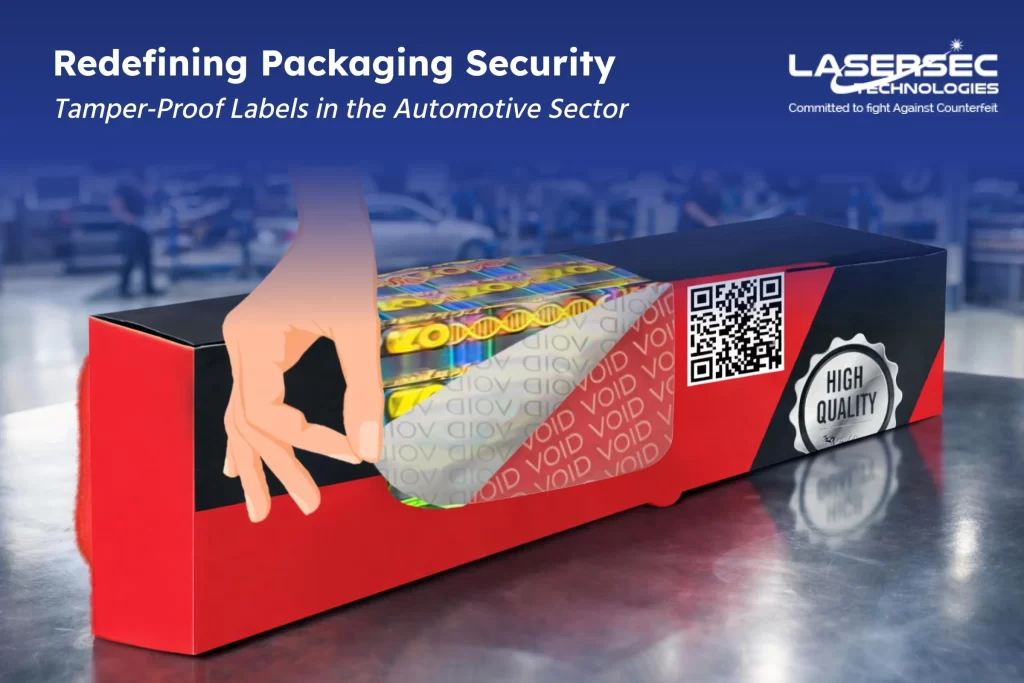
Tamper-proof labels are specialized security labels designed to reveal clear evidence if someone attempts to remove or reposition them.

Unlike standard labels, tamper-evident labels incorporate materials and adhesives that prevent clean removal.

Once applied, these labels create a permanent bond with the packaging surface.

If someone tries to remove the label, it will typically:

  • Break apart
  • Leave visible adhesive residue
  • Display a hidden security message such as VOID

This makes it impossible to open packaging without leaving visible signs of interference.

Tamper-proof labels are widely used in automotive packaging to protect spare parts and ensure that products remain sealed until they reach authorized users.

Preventing Part Swapping and Reuse Fraud

Part swapping is one of the most common forms of fraud in the automotive aftermarket.

A genuine component may be removed from its original packaging and replaced with a counterfeit or low-quality substitute.

The packaging is then resealed and sold as a genuine product.

Tamper-proof labels help prevent this practice by ensuring that packaging cannot be opened without triggering visible damage.

Once someone breaks the label seal, they cannot restore it to its original condition.

This allows distributors, mechanics, and customers to immediately detect whether the packaging has been previously opened.

In addition, tamper-evident labels discourage fraudulent behavior because they increase the likelihood of detection.

Protecting Genuine Automotive Spare Parts

Automotive manufacturers invest heavily in engineering, testing, and quality control to ensure that their components meet strict performance and safety standards.

When counterfeit or substituted parts enter the market, these standards are compromised.

Tamper-proof labels help manufacturers protect genuine spare parts by ensuring that packaging integrity remains intact throughout the distribution process.

These labels may be placed across:

  • Carton opening flaps
  • Product sealing points
  • Spare part containers
  • Protective packaging layers

If anyone tries to access the product before delivery, the tamper-evident label clearly reveals the interference.

Strengthening Automotive Supply Chain Security

The automotive supply chain involves multiple intermediaries including logistics providers, warehouses, distributors, and service networks.

Because products move across multiple locations, monitoring packaging integrity becomes challenging.

Tamper-proof labels provide a simple yet effective way to strengthen supply chain security.

If a package arrives with a broken or damaged security label, it immediately signals that the product may have been accessed during transit.

This allows distributors to isolate suspicious products before they reach service centers or customers.

Such visibility improves supply chain control and reduces the risk of counterfeit or reused parts entering authorized networks.

Supporting Brand Protection in the Automotive Aftermarket

Brand reputation is critical for automotive manufacturers.

Customers rely on genuine spare parts to maintain vehicle performance, reliability, and safety.

When counterfeit or substituted components reach the market, the brand may be blamed even if the manufacturer was not responsible for the fraud.

Tamper-proof labels support brand protection by ensuring that genuine packaging cannot be opened or manipulated without detection.

Many manufacturers also integrate additional security features into tamper-evident labels, including:

  • Holographic security elements
  • Serialized identification codes
  • QR-based product authentication
These features make labels harder to replicate and provide additional verification capabilities for distributors and service centers.

Why Automotive Manufacturers Are Adopting Tamper-Evident Packaging

As counterfeit automotive parts become more sophisticated, manufacturers are strengthening packaging security to protect their products.

Tamper-proof labels provide several important advantages:

  • Prevention of part swapping and reuse fraud
  • Visible evidence of packaging interference
  • Protection of genuine spare parts
  • Improved supply chain monitoring
  • Stronger brand protection in aftermarket channels

These benefits make tamper-evident labels an increasingly important component of modern automotive packaging strategies.

How Lasersec Technologies Supports Automotive Packaging Security

At Lasersec Technologies, we provide advanced tamper-proof labeling solutions designed to protect automotive components throughout the supply chain.

Our tamper-evident labels integrate specialized materials and security features that make packaging interference immediately visible.

These solutions help automotive manufacturers:

  • Prevent spare part substitution and reuse fraud
  • Protect genuine components from tampering
  • Strengthen packaging authentication
  • Improve supply chain security
  • Safeguard brand reputation in aftermarket channels

By integrating tamper-proof labeling technologies into automotive packaging, we help brands maintain product integrity from manufacturing to installation.

Tamper-proof labels protecting high-value electronic gadgets

A high-value electronic device leaves the manufacturing facility after extensive quality testing, packaging verification, and distribution planning. The product is genuine, sealed, and ready to enter the global marketplace.

However, once electronics move through international supply chains, they pass through multiple intermediaries — distributors, logistics providers, retailers, service centers, and sometimes unauthorized resellers.

During this journey, products may be exposed to tampering, unauthorized repairs, counterfeit substitution, or component replacement.

In many cases, the packaging may appear intact while the product inside has already been altered.

For manufacturers of high-value gadgets such as smartphones, laptops, gaming devices, and premium electronics, protecting products from tampering is essential not only for brand protection but also for warranty integrity and customer trust.

This is where tamper-proof labels and VOID security seals play a crucial role. These labels provide clear evidence if a product has been opened, altered, or interfered with after leaving the manufacturer using solutions like tamper-proof hologram stickers and VOID security holograms.

Why High-Value Electronics Are Frequent Targets for Tampering and Counterfeiting

High-value consumer electronics are among the most commonly targeted products for tampering and counterfeit activities.

Devices such as smartphones, tablets, gaming consoles, and premium accessories command strong resale value and move rapidly across global markets.

This makes them attractive targets for unauthorized activities including:

  • Product tampering before resale
  • Replacement of internal components
  • Refurbished products sold as new
  • Unauthorized warranty claims
  • Counterfeit products packaged to resemble genuine devices

These activities can occur at multiple points within the supply chain, especially when products move through parallel distribution channels or unauthorized resellers.

For electronics manufacturers, the consequences include:

  • Increased warranty fraud
  • Customer dissatisfaction and returns
  • Loss of brand credibility
  • Distribution channel conflicts
  • Financial losses from counterfeit and tampered devices
Without clear packaging security measures, detecting tampering becomes extremely difficult once the product reaches the market.

The Limitations of Standard Packaging in Protecting Electronic Devices

Traditional electronics packaging is designed primarily to protect devices from physical damage during transportation and storage.

While boxes, seals, and shrink wraps provide basic protection, they are not designed to prevent sophisticated tampering.

Standard packaging elements such as:

  • Printed seals
  • Adhesive stickers
  • Plastic shrink wrap
  • Standard barcode labels

can often be removed and replaced without leaving visible signs of interference.

This means a device can be opened, modified, and resealed while appearing completely new.

For high-value electronics, manufacturers require packaging solutions that can clearly indicate if a product has been accessed or altered after leaving the factory.

What Are Tamper-Proof Labels and How They Work

Tamper-proof labels are specialized security labels designed to reveal clear evidence when someone attempts to remove, reposition, or tamper with them.

Unlike standard labels, these security labels incorporate advanced adhesive technologies and structural designs that make removal impossible without leaving visible damage.

Once applied, tamper-proof labels create a permanent bond with the product surface.

If someone attempts to peel or remove the label, the label will either:

  • Break apart
  • Leave visible residue
  • Display a hidden security message

This makes it immediately clear that the product seal has been compromised.

Tamper-proof labels are widely used across electronics packaging to protect product integrity and ensure that devices reach consumers exactly as they left the manufacturer.

Understanding VOID Security Seals in Electronics Packaging

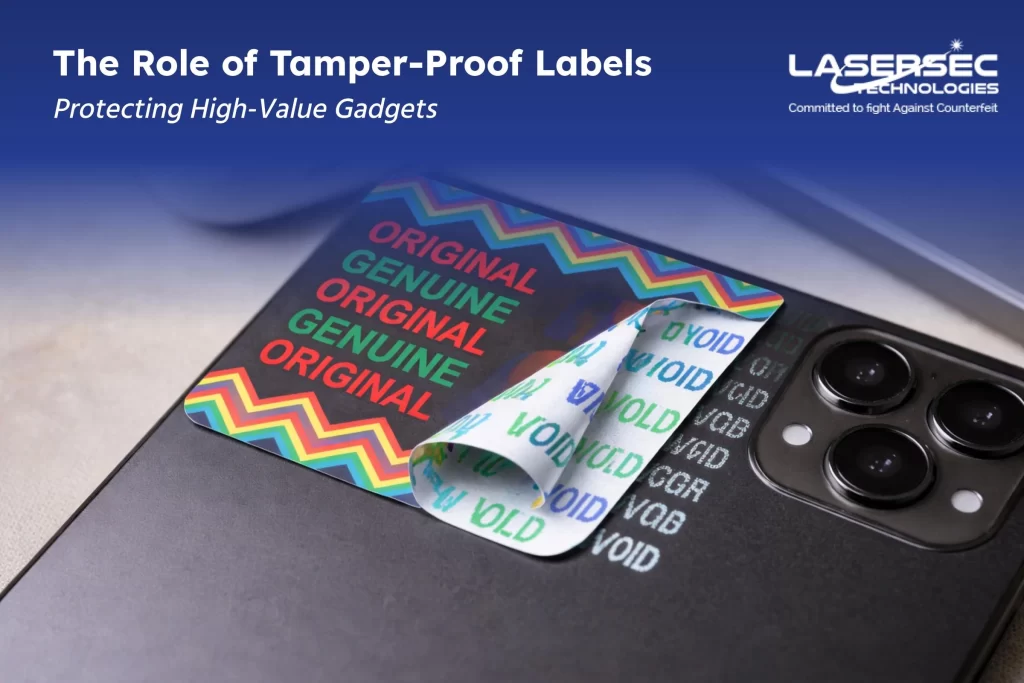
One of the most widely used tamper-evident technologies in electronics packaging is the VOID security label.

VOID labels contain a hidden security pattern embedded within the adhesive layer of the label.

When someone attempts to remove the label, the adhesive separates in a way that reveals a visible message such as:

  • VOID
  • OPENED
  • TAMPERED
This message appears either on the label itself, the product surface, or both. 
Once triggered, the VOID pattern cannot be reversed or concealed. This provides immediate visual evidence that the product seal has been broken.

VOID labels are particularly useful for:

  • Device packaging seals
  • Warranty protection seals
  • Electronic device enclosures
  • Service access points

Because the label cannot be reapplied without visible damage, it becomes a reliable indicator of product tampering.

Preventing Warranty Fraud with Tamper-Evident Security Labels

Warranty fraud is a major concern for electronics manufacturers.

When products are opened or modified by unauthorized service providers, manufacturers may still receive warranty claims if the product appears externally intact.

Tamper-proof labels and VOID seals provide a clear method for protecting warranty conditions.

Manufacturers often place these labels over key access points such as:

  • Device screws
  • Internal component panels
  • Battery compartments
  • Service access ports

If the label is damaged or removed, it immediately indicates that the product has been opened.

This allows service centers to quickly determine whether the warranty conditions have been violated.

By clearly signaling unauthorized access, tamper-evident labels reduce fraudulent warranty claims and help manufacturers maintain service integrity.

Strengthening Electronics Brand Protection with Tamper-Proof Labels

Tamper-proof labels also play an important role in preventing counterfeit electronics from entering legitimate distribution channels.

Counterfeiters often attempt to repackage fake or refurbished devices to resemble genuine products.

However, when manufacturers integrate secure tamper-evident labels into packaging, it becomes significantly harder to replicate the complete security structure.

Security labels may include additional authentication features such as:

These elements make the labels extremely difficult to reproduce and allow distributors and retailers to verify product authenticity more easily.

Enhancing Supply Chain Security for Electronic Devices

Electronics manufacturers rely on complex global supply chains involving multiple logistics partners, warehouses, distributors, and retailers.

Tamper-proof labels help maintain product integrity throughout this journey.

If a device is opened or interfered with during transit, the tamper-evident label provides immediate evidence.

This enables manufacturers and distributors to quickly identify potential supply chain issues such as:

  • Unauthorized product access
  • Product substitution
  • Refurbished products entering new inventory
  • Packaging tampering during transportation
This visibility strengthens supply chain security and helps ensure that genuine, untouched products reach consumers. To enhance monitoring and traceability, these solutions are often integrated with Track & Trace systems.

Why Electronics Manufacturers Are Adopting Advanced Tamper-Evident Packaging

As electronics markets continue to grow and devices become more valuable, manufacturers are prioritizing packaging security as part of their overall brand protection strategy.

Tamper-proof labels and VOID seals offer several advantages:

  • Clear evidence of product tampering
  • Protection against unauthorized access
  • Reduced warranty fraud
  • Stronger packaging security for high-value gadgets
  • Increased consumer trust
These features make tamper-evident labels a practical and cost-effective security solution for electronics brands operating in competitive global markets.

How Lasersec Technologies Supports Electronics Packaging Security

At Lasersec Technologies, we develop advanced tamper-proof and anti-counterfeit labeling solutions designed to protect high-value electronic devices.

Our tamper-evident labels and VOID security seals integrate specialized adhesive technologies and security printing features that provide reliable evidence of product interference.

These solutions help electronics manufacturers:

  • Protect high-value gadgets from tampering
  • Prevent warranty fraud
  • Strengthen product authentication
  • Improve packaging security across supply chains
  • Safeguard brand reputation

By combining advanced label technologies with anti-counterfeit security features, we help electronics brands maintain control and trust throughout the product lifecycle.

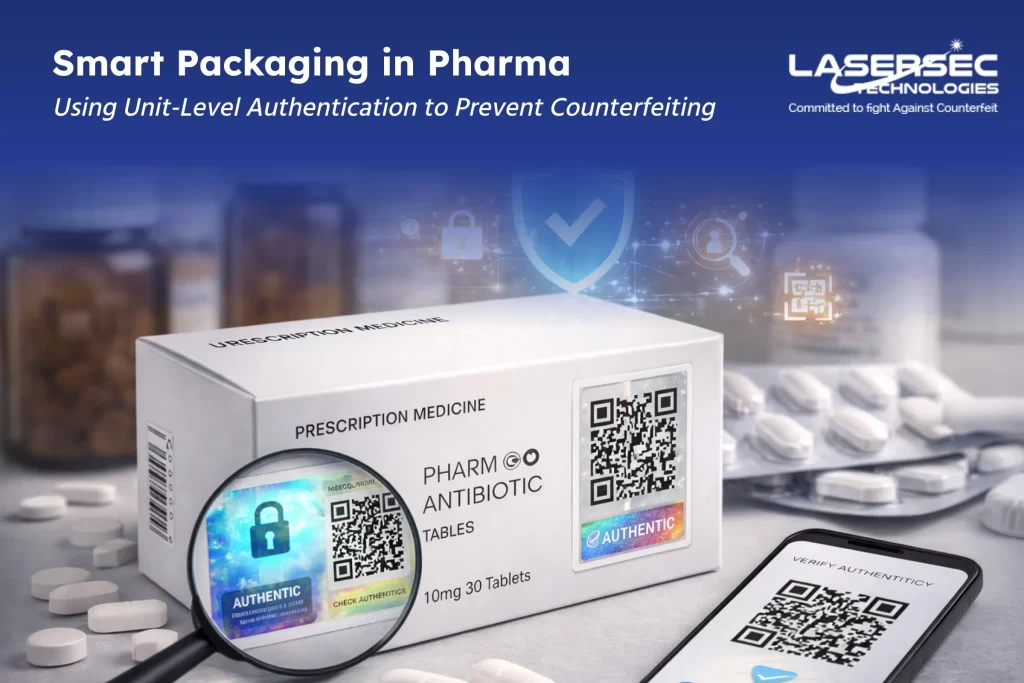
Pharmaceutical packaging security has become a critical concern for drug manufacturers worldwide. Unit-level authentication is now the smartest way to protect every package across the supply chain.

At each stage, verifying the authenticity of the medicine becomes essential.

In many markets, counterfeit drugs and unauthorized repackaging continue to challenge pharmaceutical supply chains. Packaging may appear genuine, yet without reliable authentication systems, it can be difficult to confirm whether the medicine is authentic.

This is why pharmaceutical companies are increasingly implementing unit-level authentication systems.

Unit-level authentication assigns a unique identity to every individual product unit, allowing manufacturers, regulators, and pharmacies to verify authenticity instantly through secure authentication technologies such as QR code authentication and Track & Trace systems.

By enabling verification at the smallest packaging level, pharmaceutical companies can significantly reduce the risk of counterfeit medicines entering the market.

The Growing Risks of Counterfeit and Repacked Medicines

Pharmaceutical products move through complex supply chains before reaching patients. These supply chains often involve multiple intermediaries such as distributors, wholesalers, and retailers.

This complexity creates opportunities for unauthorized activities, including counterfeit drug circulation and repackaging of genuine medicines.

Some common risks include:

  • Counterfeit medicines replicating genuine packaging using security hologram stickers
  • Unauthorized repackaging of original medicines
  • Reuse of genuine packaging for fake products
  • Diversion of products into unintended markets
  • Difficulty verifying authenticity at pharmacy level

These activities not only affect pharmaceutical companies but also create serious risks for patient safety.

Consequences can include:

  • Reduced trust in pharmaceutical brands
  • Regulatory compliance issues
  • Distribution channel conflicts
  • Potential health risks for patients

Without reliable authentication systems, detecting these issues early becomes extremely difficult.

What Is Unit-Level Authentication in Pharmaceutical Packaging

Unit-level authentication means assigning a unique, traceable identity to every individual medicine package.

Instead of identifying products only by batch numbers or carton-level codes, each unit receives its own authentication marker.

This is typically implemented using technologies such as:

Each identifier is connected to secure manufacturing and distribution data.

When the code is scanned, the system can instantly verify:

  • Whether the product is genuine
  • The manufacturing origin
  • Batch and production information
  • Whether the code has been duplicated

This enables reliable product verification throughout the supply chain.

How Unit-Level Authentication Prevents Fake Repackaging

One of the most common challenges in pharmaceutical markets is fake repackaging.

In this scenario, counterfeiters reuse genuine packaging materials or create look-alike packaging to insert counterfeit medicines.

Without authentication, these fake products may appear legitimate.

Unit-level authentication prevents this by ensuring that each product unit has a unique identity supported by technologies like QR code holograms.

If a counterfeiter attempts to copy or reuse a code, the authentication system can detect:

  • Duplicate code scans
  • Invalid product records
  • Suspicious verification locations

This allows manufacturers and regulators to quickly identify counterfeit activity and take corrective action. By making every package individually verifiable, unit-level authentication significantly reduces the risk of fake repackaging.

Preventing Product Diversion with Unit-Level Verification

Product diversion occurs when genuine medicines are redirected from their intended distribution markets into unauthorized regions.

This can disrupt pricing structures, violate distribution agreements, and create regulatory complications.

Unit-level authentication helps detect diversion by linking each product unit to specific manufacturing and distribution data through systems like Track & Trace technology.

When the product is scanned, the system can verify:

  • The intended market for the product
  • Whether it appears in an unexpected location
  • Whether the product has already been verified elsewhere

If the product is detected outside its authorized distribution channel, the system can immediately flag the activity. This visibility allows pharmaceutical companies to investigate unauthorized distribution and maintain better control over global supply chains.

Strengthening Pharmaceutical Compliance and Traceability

Many regulatory frameworks now require pharmaceutical manufacturers to implement serialization and traceability systems. Authorities expect companies to demonstrate the ability to verify product authenticity and track medicines across the supply chain.

Unit-level authentication supports these regulatory goals by enabling:

  • Individual product serialization
  • End-to-end supply chain traceability
  • Authentication verification at distribution points
  • Faster investigation of suspicious products

These capabilities help regulators confirm product legitimacy during inspections and market surveillance.For pharmaceutical companies operating in global markets, unit-level authentication also strengthens compliance with evolving regulatory standards using solutions such as Track & Trace systems.

Improving Patient Trust Through Product Verification

Patients rely on medicines to protect their health, which makes trust essential in the pharmaceutical industry. However, patients often cannot visually distinguish between genuine and counterfeit medicines if packaging looks similar.

Unit-level authentication enables pharmacies and even patients to verify medicines quickly using smartphone-based authentication tools. By scanning a secure QR code or authentication marker such as QR code authentication labels, users can confirm whether the product is genuine.

This level of transparency helps:

  • Improve patient confidence in medicines
  • Reduce circulation of counterfeit drugs
  • Strengthen trust in pharmaceutical brands
  • Support safer healthcare outcomes

How We Support Unit-Level Authentication in Pharmaceutical Packaging

At Lasersec Technologies, we provide advanced anti-counterfeit packaging solutions designed to help pharmaceutical manufacturers implement reliable unit-level authentication systems.

Our solutions integrate secure packaging technologies with digital authentication platforms using:

By embedding these technologies directly into pharmaceutical packaging, we help manufacturers create secure authentication systems that protect medicines across the entire supply chain. To explore more, visit our Pharma Solutions.

Why Unit-Level Authentication Is Essential for Modern Pharmaceutical Packaging

Pharmaceutical supply chains are becoming increasingly complex, and the risks associated with counterfeit medicines continue to grow. Unit-level authentication provides a powerful solution by enabling every medicine package to be individually verified.

This approach helps pharmaceutical companies detect counterfeit activity, prevent product diversion, and maintain greater visibility across their supply chains. Most importantly, it helps ensure that genuine medicines reach pharmacies and patients safely. In today’s pharmaceutical industry, unit-level authentication is no longer optional.  It is a critical foundation for protecting product integrity, regulatory compliance, and patient trust.

Tamper-proof seals on daily-use products ensuring safety and hygiene

A consumer picks up a bottle of cooking oil, a pack of biscuits, or a personal care product from a store shelf. Before checking the price or brand, there is a quiet, instinctive question:

Has this product been opened before?

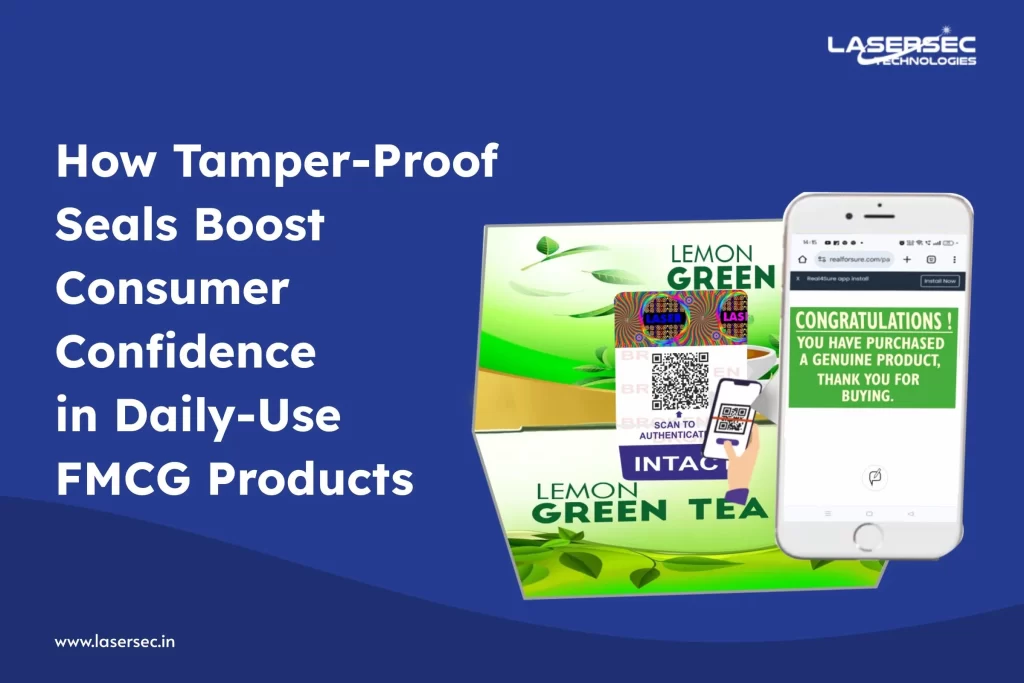
In the FMCG sector, where products are consumed daily and often immediately, consumer trust is built in seconds. Tamper-proof seals play a decisive role in this moment. They provide visible proof of product safety, protect hygiene, and reassure consumers that the brand has taken responsibility seriously.

For FMCG brand owners, packaging professionals, and quality teams, tamper-evident packaging is no longer optional. It is a foundational element of consumer confidence and brand protection.

Why Tamper Evidence Is Critical in the FMCG Industry

Fast-moving consumer goods directly affect health, hygiene, and everyday well-being. Even a small doubt about product integrity can lead to immediate rejection.

Without effective tamper-proof packaging, brands face risks such as:

  • Loss of consumer trust at the point of purchase
  • Product rejection at first use
  • Brand damage amplified through social media and word of mouth
  • Regulatory and retailer compliance challenges

Unlike durable goods, FMCG products allow no margin for uncertainty. A broken seal, loose cap, or unclear opening mechanism can raise concerns about contamination, adulteration, or prior use.

Tamper-evident seals eliminate this uncertainty by providing clear, irreversible evidence of first opening.

What Are Tamper-Proof Seals and How Do They Work?

Tamper-proof seals are packaging features designed to make any unauthorized opening immediately visible and impossible to reverse without detection.

Common tamper-evident packaging mechanisms used in FMCG include:

Once opened, these mechanisms cannot return to their original state. This simple principle—open once, show forever—is what makes tamper-proof seals so effective for consumer safety and trust.

How Tamper-Proof Seals Reassure Consumers at the Point of Purchase

Consumers may not understand packaging technology, but they clearly understand visual safety cues.

Tamper-evident packaging reassures consumers by offering:

  • Immediate visual confirmation that the product is untouched
  • Clear break-to-open indicators signaling first use
  • A consistent safety experience across batches and retail locations

This reassurance is especially important in high-sensitivity FMCG categories such as:

  • Food and beverages
  • Dairy and edible oils
  • Personal care and cosmetics
  • Home hygiene and cleaning products
  • Baby care and wellness items
In these segments, visible packaging safety directly influences buying decisions.

Maintaining Product Safety and Hygiene Across the Supply Chain

From manufacturing facilities to retail shelves, FMCG products pass through multiple touchpoints. Tamper-proof seals act as a silent guardian throughout this journey.

They help brands:

  • Detect unauthorized access during transportation and storage
  • Prevent product substitution, refilling, or partial usage
  • Reduce contamination and mishandling risks
  • Maintain hygiene until final consumption
For quality assurance and compliance teams, tamper-evident packaging provides a built-in control mechanism—one that complements audits, inspections, and process controls.

Protecting Brand Reputation in a Competitive FMCG Market

Brand reputation in FMCG is fragile and hard-earned. A single safety incident—real or perceived—can undo years of trust.

Tamper-proof seals support brand protection by:

  • Demonstrating accountability and transparency
  • Reducing the risk of counterfeit or refilled products entering the market
  • Supporting regulatory and retailer packaging requirements
  • Reinforcing a brand’s commitment to consumer well-being

When consumers repeatedly experience sealed, safe, and reliable packaging, trust becomes habitual—and brand loyalty follows.

Tamper Evidence as a Brand Trust Signal

Modern consumers expect brands to anticipate risks, not react to them. Tamper-proof seals send a subtle but powerful message:

This brand has prioritised your safety before you even asked.

For packaging and brand protection leaders, tamper evidence goes beyond compliance. It becomes a visible signal of responsibility, quality, and care—values that increasingly influence consumer choice.

Building Consumer Confidence Beyond the First Use

Consumer confidence does not end at the point of purchase. It extends to the moment of opening, daily usage, and repeat buying decisions.

A well-designed tamper-proof seal ensures that:

  • The first interaction reinforces trust
  • Product safety expectations are consistently met
  • Consumers feel confident repurchasing the same brand
In a category defined by frequent replacement and intense competition, this consistency is what separates trusted FMCG brands from forgettable ones.

Final Thoughts: Small Seal, Lasting Impact on FMCG Brands

Tamper-proof seals may appear simple, but their impact on FMCG packaging security is significant. They safeguard product integrity, protect hygiene, support compliance, and—most importantly—build consumer confidence where it matters most.

For FMCG brands focused on long-term trust, safety, and sustainable growth, investing in effective tamper-evident packaging is not merely a regulatory step. It is a strategic decision that strengthens the relationship between the brand and the consumer—one seal at a time.

How Lasersec Technologies Supports Smarter Packaging Security

At Lasersec Technologies, we help FMCG brands strengthen consumer trust through tamper-evident andphygital packaging solutions that combine visible security with digital authentication. Our solutions integrate security holograms, tamper-proof labels, QR-based verification, and track-and-trace systems to protect products across the supply chain. Each deployment is designed to meet compliance requirements while reinforcing brand integrity and packaging reliability.

Partner with Lasersec Technologies for Trusted FMCG Packaging

From food and personal care to hygiene and wellness products, Lasersec Technologies works with FMCG brands to build packaging systems that consumers can trust at first glance. Connect with our team to explore how tamper-evident and phygital packaging can strengthen your brand protection strategy.

Phygital authentication technology enhancing brand security

Spotting a fake is easy — until it’s your brand on the line.

In today’s fast-paced digital marketplace, counterfeiters are smarter, faster, and more organized than ever. They replicate packaging, clone QR codes, and even build fake websites that mirror authentic ones.

Relying on a single layer of protection is no longer enough. What brands need today is a smarter, connected, and traceable defense system.

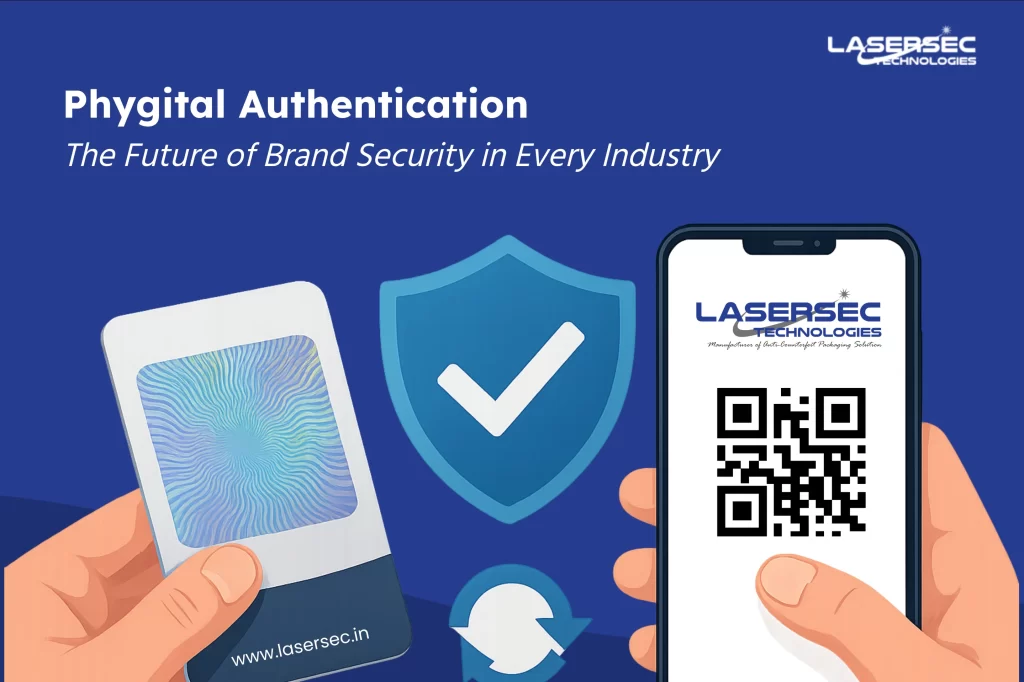
That’s exactly where Phygital Authentication steps in — a seamless blend of physical security and digital verification that ensures every product remains genuine, trackable, and trusted.

What Is Phygital Authentication?

The word “Phygital” combines physical + digital.

It’s the next evolution in brand protection and anti-counterfeiting technology.

Imagine combining:

  • Physical features such as holograms, tamper-evident seals, or unique labels, with
  • Digital tools such as secure QR codes, NFC tags, or blockchain links.

Together, these create a two-factor authentication system for products:

  • Physical layer: Provides instant, visible proof of authenticity.
  • Digital layer: Enables real-time online verification, tracking, and analytics.
This powerful combination makes verification intuitive, transparent, and nearly impossible to replicate.

Why Every Industry Needs to Go Phygital

Counterfeiting is no longer limited to luxury or pharma — it’s now a multi-industry threat. From FMCG and automobile parts to electronics and apparel, fake products infiltrate every market, damaging brand reputation and consumer trust.

  • A consumer could unknowingly buy a fake skincare product that looks identical to the real one.
  • A patient could receive a counterfeit medicine, risking serious health consequences.
  • A dealer might end up stocking duplicate machine parts, affecting equipment performance.

Phygital Authentication helps track products from factory to shelf, offering end-to-end supply chain visibility. It empowers brands to identify, trace, and stop counterfeit products — before they reach consumers.

The Power of Combining Physical and Digital Security

Phygital Authentication strengthens brand protection through dual assurance:

  • Physical identifiers (holograms, foils, tamper seals) → provide instant visual confirmation.
  • Digital identifiers (unique QR codes, serialized data, blockchain records) → enable live product authentication and data analytics.

Result: A powerful, tamper-resistant system that ensures authenticity, traceability, and accountability across the entire product lifecycle.

Each scan tells a story — one of trust, transparency, and technology working hand-in-hand.

Beyond Counterfeit Protection — Building Consumer Trust

Phygital Authentication isn’t only about protecting brands; it’s about creating genuine connections.

When customers scan a product and instantly verify its authenticity — or receive personalized information, rewards, or thank-you notes — it turns a simple purchase into an emotional experience. This sense of assurance and appreciation builds lasting loyalty and brand trust.

In an era of endless choices, trust isn’t optional — it’s your strongest advantage.

Future-Proofing Brand Protection

Counterfeiters are evolving — but so is technology.

Phygital Authentication ensures brands stay one step ahead with scalable, intelligent, and data-driven protection.

By merging physical security features with digital intelligence, brands unlock:

  • Real-time product traceability
  • Anti-counterfeiting analytics
  • Consumer engagement opportunities
  • Regulatory compliance support

This makes it not just a security solution — but a strategic investment in long-term brand integrity.

The future of anti-counterfeiting isn’t about choosing between physical or digital — it’s about merging both.

Phygital Authentication represents the next leap in brand protection, enabling businesses to:

  • Secure every product
  • Strengthen customer confidence
  • Ensure full supply chain transparency

How Lasersec Technologies Powers Phygital Authentication

At Lasersec Technologies, we integrate cutting-edge physical and digital security to deliver true Phygital Authentication. Our portfolio includes holographic foils, tamper-evident seals, dynamic QR codes, and track-and-trace systems — all designed to create a connected, secure, and transparent product ecosystem. Each solution is customized to meet your industry’s compliance needs while strengthening brand integrity and consumer trust.

Partner with Us to Build a Phygital Future

Whether you’re in pharma, FMCG, apparel, electronics, or automotive, Lasersec Technologies helps your brand stay ahead of counterfeit threats. Connect with us for a consultation or demo to experience how our Phygital Authentication  solutions can transform your brand protection strategy.

Holographic Blister Packaging for CDSCO Compliance

India’s pharmaceutical landscape is undergoing a transformation — and packaging is at the center of it.
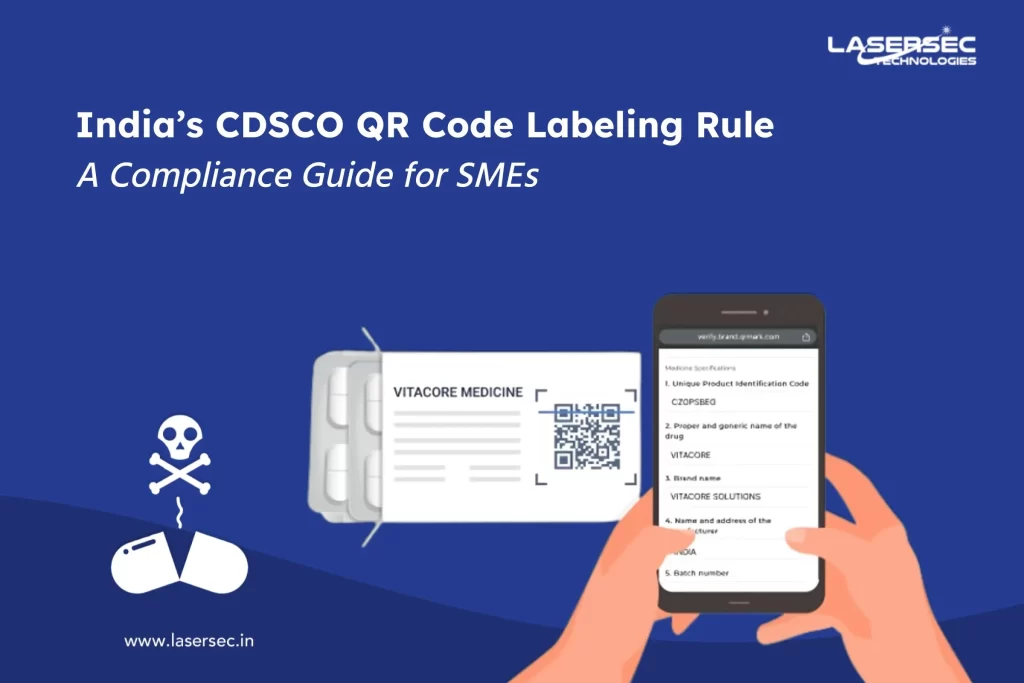
With the CDSCO’s new QR code and serialization mandates, every exported pharma product must now be secure, traceable, and tamper-evident.

For manufacturers, especially SMEs, this can feel like a complex compliance challenge.
But there’s a powerful, proven solution already within reach: Holographic Blister Packaging.

1. The New CDSCO Reality

To curb counterfeit drugs and ensure authenticity across the supply chain, the Central Drugs Standard Control Organization (CDSCO) now requires export-bound pharmaceutical products to carry:

  • Secure and scannable QR codes
  • Unique serialization at batch or unit level
  • Tamper-evident features on primary packaging
This means your packaging must do more than look professional — it must communicate trust, security, and transparency to regulators, distributors, and patients worldwide.

2. Why Holographic Blister Packaging Foils Are the Ideal Fit

Holographic blister foils are designed not just for visual appeal, but for multi-layered protection.
They merge optical security, digital traceability, and physical tamper resistance — all in one compact, cost-effective solution.

Key advantages include:

  • Built-in Anti-Counterfeit Security:
    Complex holographic patterns, diffractive designs, and hidden laser effects make duplication nearly impossible.
  • Tamper-Evident Layering:
    Any attempt to peel or alter the foil leaves visible damage — ensuring that the product cannot be resealed or reused undetected.
  • QR & Serialization Integration:
    Holographic foils can seamlessly integrate dynamic QR codes and serialized data, allowing regulators and end-users to instantly verify product authenticity.
  • Regulatory Compliance:
    They fulfill the CDSCO’s core requirements — secure labeling, traceability, and anti-tampering — without requiring major production line changes.
  • Supply Chain Visibility:
    When linked to digital Track & Trace systems, each blister pack becomes part of a transparent, verifiable export network.

3. How It Works

Each holographic blister foil is embedded with security layers visible and invisible to the naked eye.

When printed with unique serial numbers or QR codes, it creates a dual-authentication system:

LayerFunctionBenefit
Optical Security (Holography)Visually identifiable design that’s impossible to replicateInstant brand and regulatory authentication
Digital Security (QR + Serialization)Unique, scannable identity for every packEnables verification and traceability
Tamper EvidenceIrreversible visual damage on interferencePrevents resealing or counterfeit replacement

This layered approach makes it extremely difficult for counterfeiters to reproduce or reuse packaging — offering compliance with confidence.

4. Why SMEs Should Choose Holographic Blister Packaging

Unlike large-scale digital upgrades, holographic blister foils are scalable, adaptable, and cost-efficient.
For SMEs, this means:

  • No heavy capital investment in new lines
  • Immediate enhancement of regulatory readiness
  • Compatibility with existing packaging formats
  • Added brand value in export markets
It’s a simple way to make your products CDSCO-compliant and globally credible — without the complexity of building new infrastructure.

5. Beyond Compliance: Building Trust Across Borders

The global pharma supply chain thrives on transparency.
By adopting holographic blister foils, Indian exporters not only meet CDSCO and international labeling mandates but also strengthen brand trust with distributors and healthcare professionals abroad.

  • Regulators see transparency.
  • Distributors see authenticity.
  • Patients see safety.

And your brand earns long-term credibility in every market it reaches.

Secure, Scalable, and Future-Ready

The CDSCO’s labeling mandates are here to stay — but compliance doesn’t have to be complicated.

Holographic blister foils bring together the best of physical and digital protection, offering a ready-to-implement, regulation-compliant, and cost-effective solution for Indian pharma exporters.

At Lasersec Technologies, we specialize in custom-designed holographic blister foils that combine optical security, dynamic QR codes, and tamper-evident protection.
Our solutions are trusted by leading pharmaceutical manufacturers to safeguard brands, meet regulatory standards, and ensure patient safety.

Let’s help you make compliance your competitive edge — one blister pack at a time.

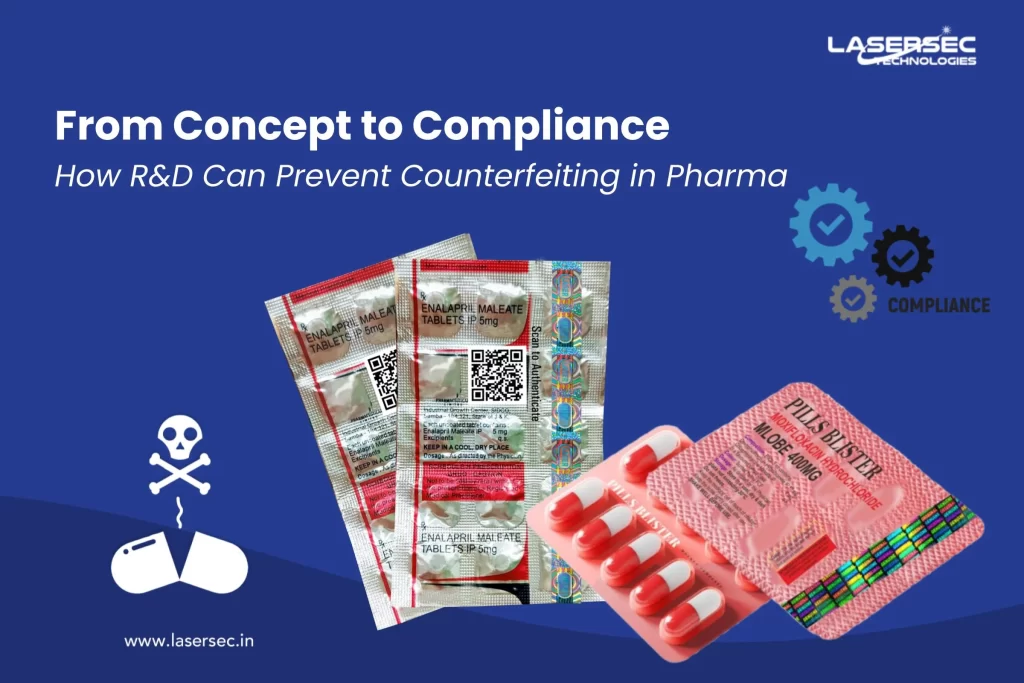
From Concept to Compliance: How R&D Can Prevent Counterfeiting in Pharma

In the world of healthcare, trust isn’t optional—it’s foundational. When a patient takes medicine, they aren’t just consuming a formulation—they’re placing their lives in the hands of pharmaceutical brands, regulators, and science.

But what happens when that trust is betrayed by counterfeit drugs?

Counterfeit medicines are more than a regulatory challenge; they’re a human crisis. From causing patient harm to disrupting supply chains and damaging brand credibility, the consequences are staggering. That’s why the fight against counterfeiting must begin far earlier than many companies realize—not in the warehouse or the pharmacy, but in the research lab.

Why R&D Is the First Line of Defense

For decades, anti-counterfeit strategies have been reactive—focused on packaging tweaks or post-launch investigations. But by that stage, the product is already in circulation, and risks have multiplied.

Integrating anti-counterfeiting measures at the R&D stage enables pharma companies to design products that are inherently secure. It’s about embedding protection within the DNA of the drug—from formulation to packaging. Early intervention ensures that a product isn’t just therapeutic, but tamper-proof, traceable, and trusted.

The Hidden Dangers of Delayed Protection

Delaying brand protection until after production or during distribution creates opportunities for counterfeiters. Once a fake medicine reaches a patient:

  • Regulatory penalties may follow.
  • Patient safety is compromised.
  • Brand trust takes a lasting hit.
Proactive protection, on the other hand, makes it far harder for bad actors to replicate or manipulate your products. It transforms the product into a self-verifying tool, not just a commodity.

Compliance Begins at the Research Table

With global regulatory frameworks tightening—like EU Falsified Medicines Directive (FMD), U.S. Drug Supply Chain Security Act (DSCSA), and TGA requirements in Australia—companies must demonstrate authenticity, traceability, and security from the outset.

Embedding regulatory compliance during R&D enables:

  • Easier serialization integration
  • Accurate data capture for global traceability
  • Faster approval and fewer redesign costs
When compliance is an afterthought, retrofitting solutions becomes expensive and error-prone. But when it’s embedded in development, it becomes a strength—not a stress.

Cost Today, Savings Tomorrow

Some stakeholders fear that early-stage protection adds unnecessary cost. In reality, the opposite is true.

Preventive measures are far more cost-effective than damage control:

  • A single counterfeit scandal can cost millions in recalls, legal fees, and brand damage.
  • Investing early reduces downstream risks, from litigation to loss of market share.
  • Robust products attract regulatory and consumer confidence—accelerating approvals and adoption.

Advanced anti-counterfeit technologies are now versatile, scalable, and R&D-friendly. By integrating these tools into the development phase, pharma companies create products that are resilient and verifiable:

1. Invisible Security Inks –

Embedded directly on blister packs or tablets for covert verification.

2. Tamper-Evident Packaging –

Custom seals that reveal breaches before reaching the end-user.

3. Blockchain & Track-and-Trace Systems –

Enabling immutable supply chain transparency.

4. Secure QR Codes & Digital Twins –

Real-time authentication via mobile scans.

Lasersec Technologies offers R&D-compatible solutions that support pharma brands in building layered, invisible protection—right from Day One.

Anti-counterfeiting isn’t just a packaging or compliance task—it’s a cross-functional mission. When R&D, compliance, packaging, marketing, and logistics teams collaborate early, the outcomes are:

  • Integrated protection strategies
  • Stronger risk mitigation frameworks
  • Faster innovation cycles

This shared responsibility creates a culture of accountability across the entire product lifecycle.

Looking Ahead: Prevent Early, Not Late

Counterfeiters are using smarter methods—AI-generated packaging, high-res replication, and fake serialization. The pharmaceutical industry must be one step ahead.

Embedding anti-counterfeit strategy during R&D is a future-focused, patient-centric move. It empowers companies to:

  • Reduce regulatory risks
  • Enhance product integrity
  • Build long-term trust

R&D is not just about drug discovery—it’s the first frontier of product protection.

At Lasersec Technologies, we empower pharma brands to build security into science. From secure inks and serialization systems to phygital authentication tools, we help you embed trust into every dose—starting from the concept phase.

Let’s talk.
Reach us at mktg@lasersec.in or call +91-9810213127 to explore R&D-ready brand protection solutions.

How QR Codes Can Deliver Consumer Trust in Seconds

How one scan can fight counterfeits and boost brand confidence

Have you ever held a product and wondered—is this real?

You’re not alone. In a world flooded with fakes, consumer trust is harder than ever to earn. But one small square—just a QR code—can make all the difference. With a single scan, customers can instantly verify authenticity, access product information, and feel confident in their purchase.

Welcome to the power of QR codes in brand protection.

Why QR Codes Are More Than Just Tech

QR codes may seem simple, but when backed by secure systems, they become powerful tools of verification. With every scan, consumers access real-time, verified information—empowering smarter, safer choices.

A secure QR code can:

  • Authenticate: Confirm if a product is original or counterfeit—instantly.
  • Tell the Brand Story: Share who made it, where it came from, and how it was handled.
  • Provide Product Details: Offer usage instructions, safety information, batch data, and more.

Transparency doesn’t just build trust—it builds loyalty. When customers feel informed, they feel safe. And safe customers come back.

Consumers Demand Proof—Not Promises

Today’s buyers are more conscious, more skeptical, and far less forgiving. Whether it’s baby care, cosmetics, food supplements, or electronics, trust can’t be assumed—it must be proven.

Imagine scanning a product and instantly seeing:

  • Lab test certificates
  • Authenticity confirmation
  • Real-time expiry and manufacturing details
  • Full supply chain traceability
That’s not just a scan—it’s peace of mind in seconds.

What Brands Gain from Smart QR Codes

Secure QR codes don’t just protect consumers—they give brands a strategic edge.

  • Fewer Returns & Complaints: Verified buyers are confident buyers.
  • Enhanced Brand Image: Transparency signals integrity.
  • More Engagement: Link QR scans to reviews, loyalty programs, or feedback forms.
  • Actionable Insights: Know where and when your products are scanned—and by whom.

Building Trust, One Scan at a Time

In crowded markets, products may look alike—but trust sets them apart.

A secure QR code does more than connect. It protects, educates, and empowers.

  • For consumers, it’s about confidence.
  • For brands, it’s about credibility.
  • For both, it’s about clarity—with zero room for doubt.

At Lasersec Technologies, we help brands secure their identity and protect their consumers through intelligent QR code authentication. Our systems offer anti-counterfeit verification, real-time tracking, and actionable analytics—built for real-world supply chains.