








Ready-to-eat (RTE) foods have become a major part of modern consumer lifestyles.
From packaged meals and frozen foods to ready-to-cook snacks and convenience products, consumers increasingly rely on packaged food that can be consumed quickly with minimal preparation.
However, as the demand for convenience foods grows, so does the importance of ensuring packaging safety and integrity.
Unlike traditional packaged goods, ready-to-eat products are consumed directly by consumers. Any tampering with the packaging can pose immediate health risks.
For food manufacturers and FMCG brands, ensuring that packaging clearly shows any sign of interference has become a critical safety requirement.
This is where tamper-proof packaging solutions such as security seals, tear bands, and tamper-evident labels play a vital role in protecting both consumers and brand reputation.
Why Ready-to-Eat Foods Require Strong Packaging Protection
Ready-to-eat foods move through complex distribution networks before reaching consumers.
Products may pass through multiple stages including manufacturing plants, cold storage facilities, transport hubs, retail stores, and delivery services.
At each stage, the product may be handled by several intermediaries.
Without proper tamper-evident protection, it can be difficult to determine whether a food package has been opened or compromised during distribution.
Even minor tampering can create serious risks such as:
- Food contamination
- Product spoilage
- Loss of product freshness
- Consumer health hazards
- Brand reputation damage
For products that are meant to be consumed immediately, packaging integrity becomes one of the most important safety indicators.
The Rising Risk of Food Tampering in Modern Supply Chains
Food tampering incidents, although rare, can have severe consequences for both consumers and brands.
In the case of ready-to-eat products, tampering may involve:
- Opening packaging and resealing it
- Altering or contaminating food contents
- Replacing products with lower-quality alternatives
- Damaging protective seals during handling
Because ready-to-eat foods often rely on sealed packaging to maintain hygiene and freshness, any compromise in packaging integrity can undermine product safety.
For FMCG companies, preventing tampering is therefore not just a packaging concern but a food safety priority.
Key Tamper-Proof Packaging Solutions for Ready-to-Eat Foods
Modern food packaging uses several mechanisms to provide clear visual evidence of tampering.
These solutions help consumers, retailers, and inspectors easily identify whether a package has been opened or altered.
Some of the most widely used tamper-evident packaging features include:
Security Seals
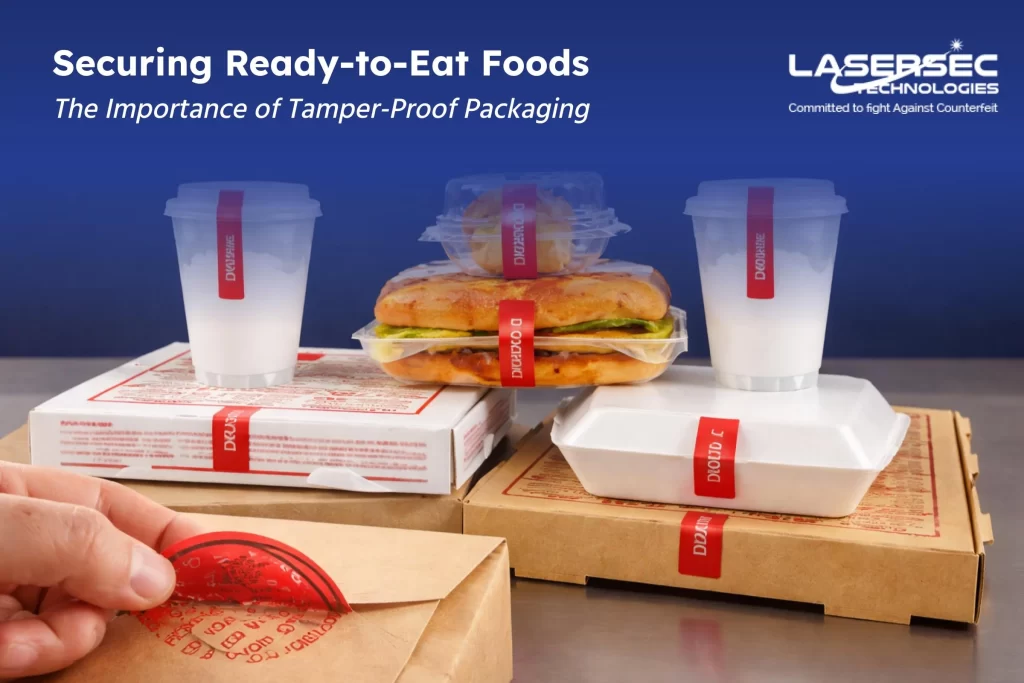
Security seals are applied to food packaging to ensure that the product remains unopened until it reaches the consumer.
Once broken, the seal cannot be restored to its original state.
Security seals are commonly used for:
- Meal trays
- Frozen food containers
- Jar lids
- Beverage caps
- Food cartons
Tear Bands and Breakable Rings
Tear bands are thin strips integrated into packaging that must be removed before opening the product.
These bands break permanently when opened, providing immediate visual evidence that the package has been accessed.
They are frequently used in:
- Frozen food containers
- Bottled sauces
- Packaged beverages
- Sealed food jars
Tamper-Evident Labels
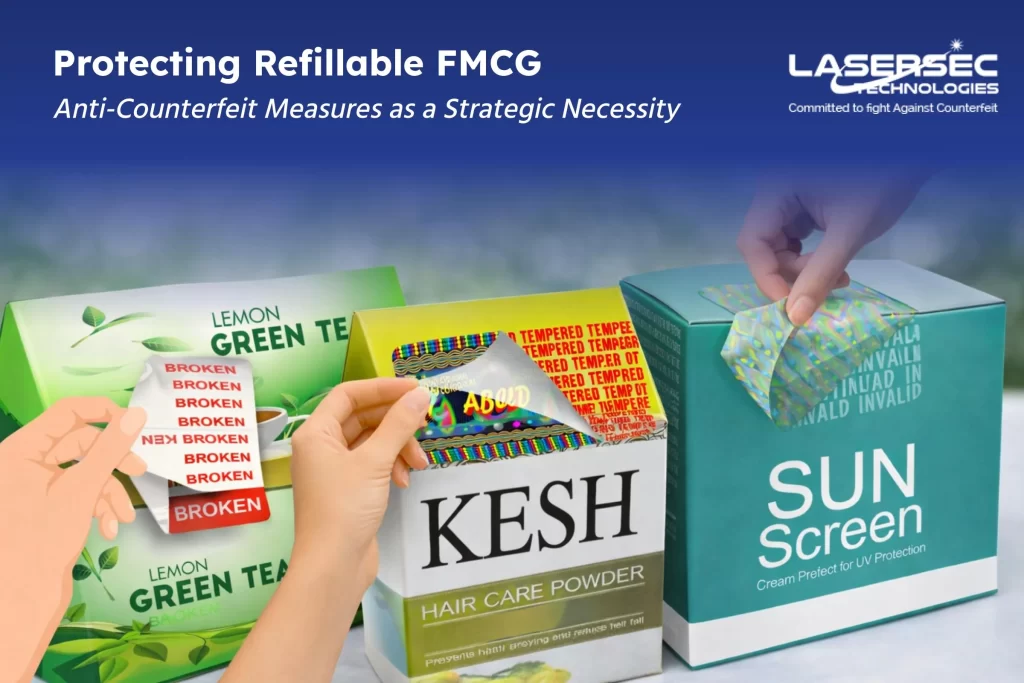
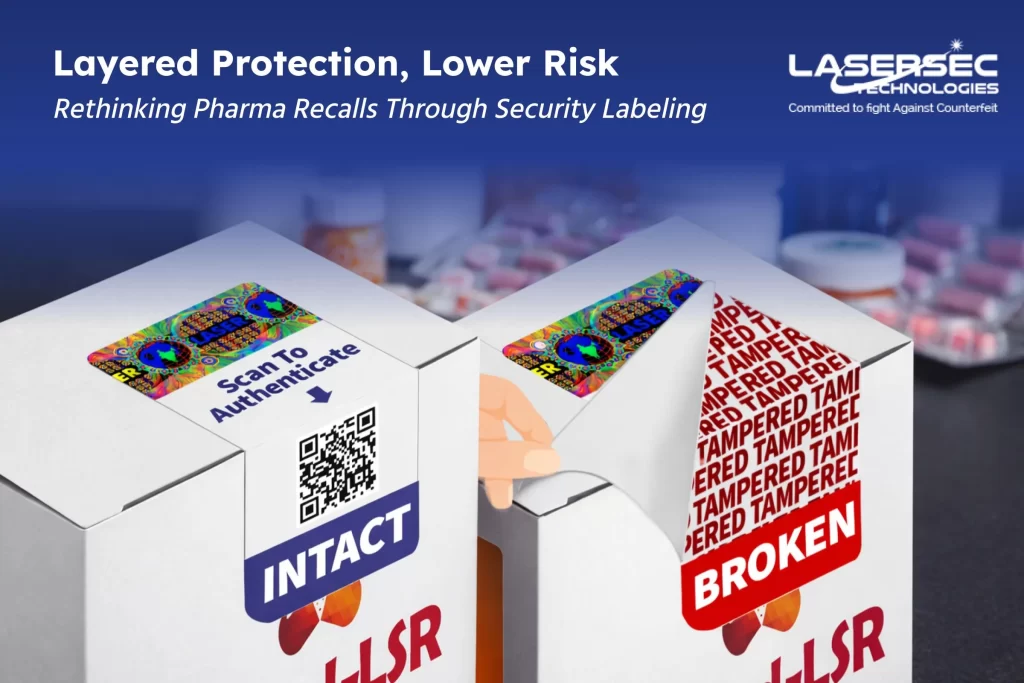
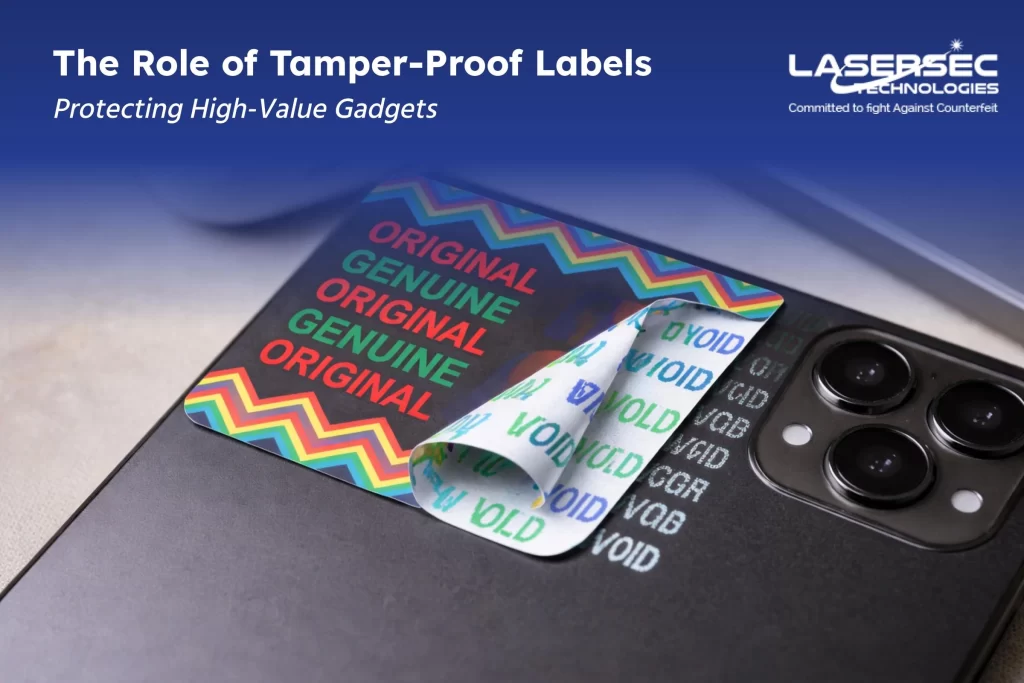
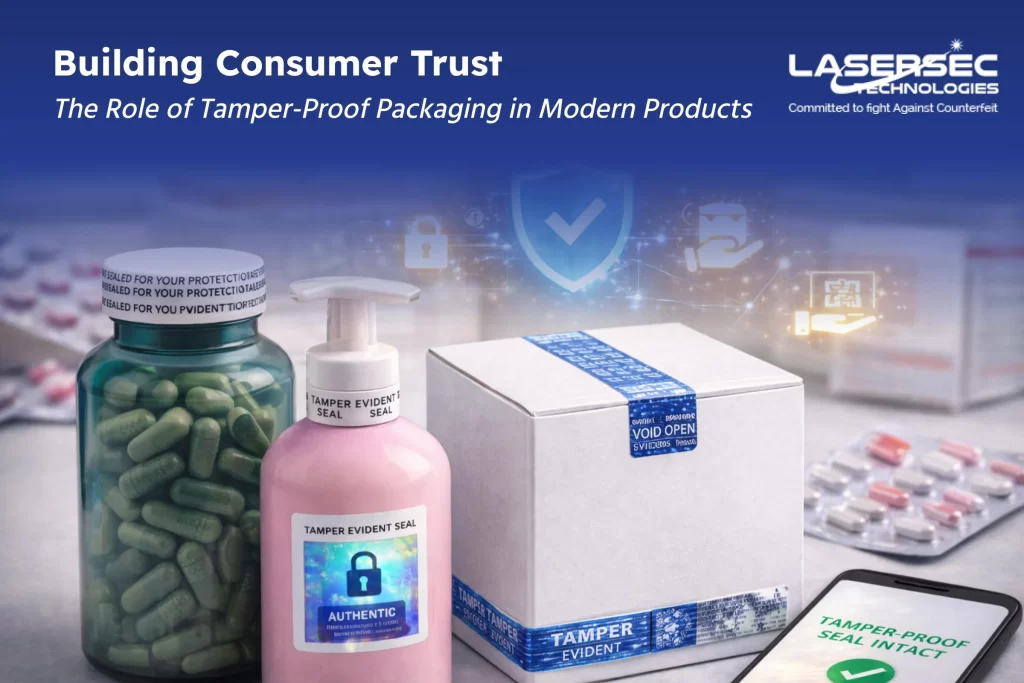
Tamper-evident labels provide additional protection by revealing any attempt to remove or reposition the label.
These labels may include features such as:
- Destructible material that breaks when peeled
- Security patterns that appear when tampered with
- Adhesive residues that indicate interference
Because these labels cannot be reapplied cleanly, they help ensure packaging authenticity.
Visual Tamper Evidence: Why It Matters to Consumers
One of the most important aspects of food packaging security is visible assurance.
Consumers often rely on simple visual cues to determine whether a product is safe to consume.
If packaging appears compromised or damaged, consumers are far less likely to purchase the product.
Clear visual tamper indicators help consumers quickly confirm that:
- The product has not been opened
- The packaging seal remains intact
- The food has not been altered
This visible reassurance plays a major role in building trust between FMCG brands and consumers.
Protecting Brand Reputation in the FMCG Industry
Food brands operate in an environment where consumer trust is extremely sensitive.
A single incident involving contaminated or tampered food products can lead to:
- Product recalls
- Negative media coverage
- Regulatory investigations
- Long-term brand damage
Tamper-proof packaging acts as a preventive safeguard by ensuring that any attempt to interfere with the product becomes immediately visible.
For FMCG companies, this protection is essential for maintaining brand credibility in competitive retail markets.
Supporting Food Safety Compliance
Food safety regulations around the world increasingly emphasize the importance of packaging integrity.
Regulatory authorities expect manufacturers to implement packaging systems that protect food products from contamination and unauthorized access.
Tamper-evident packaging helps manufacturers meet these expectations by:
- Demonstrating proactive food safety measures
- Strengthening quality assurance processes
- Supporting regulatory compliance during inspections
- Providing traceable evidence of packaging integrity
For companies operating across international markets, these safeguards are especially important.
The Role of Advanced Packaging Technologies
As food supply chains grow more complex, many FMCG brands are integrating advanced technologies into their packaging systems.
These may include:
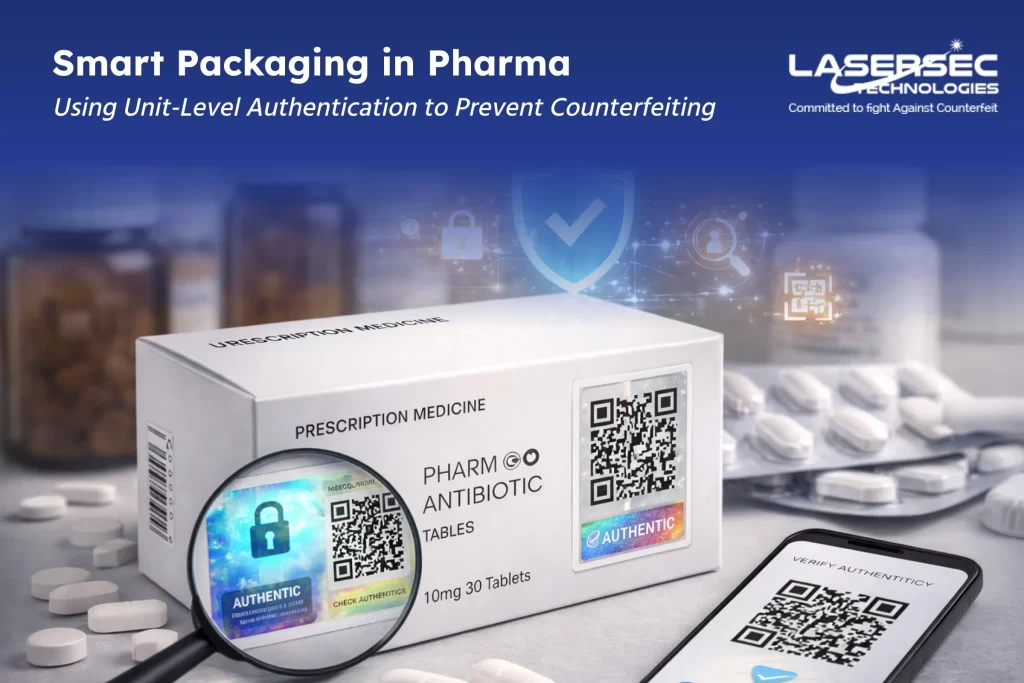
- Authentication labels
- QR-based product verification
- Track and Trace systems for supply chain visibility
When combined with physical tamper-evident features, these technologies provide both physical and digital protection for food products.
How Lasersec Technologies Helps Secure FMCG Packaging
Lasersec Technologies develops advanced packaging security solutions designed to protect FMCG products from tampering and unauthorized interference.
Our solutions integrate tamper-evident labels, security seals, and authentication technologies that help ensure product safety throughout the supply chain.
These solutions help FMCG brands:
- Protect ready-to-eat and frozen food packaging
- Prevent unauthorized opening or resealing
- Provide visible tamper evidence for consumers
- Strengthen food safety compliance
- Safeguard brand reputation in competitive markets
By integrating security directly into packaging, food manufacturers can maintain product integrity from production to consumption.