







Lasersec Technologies

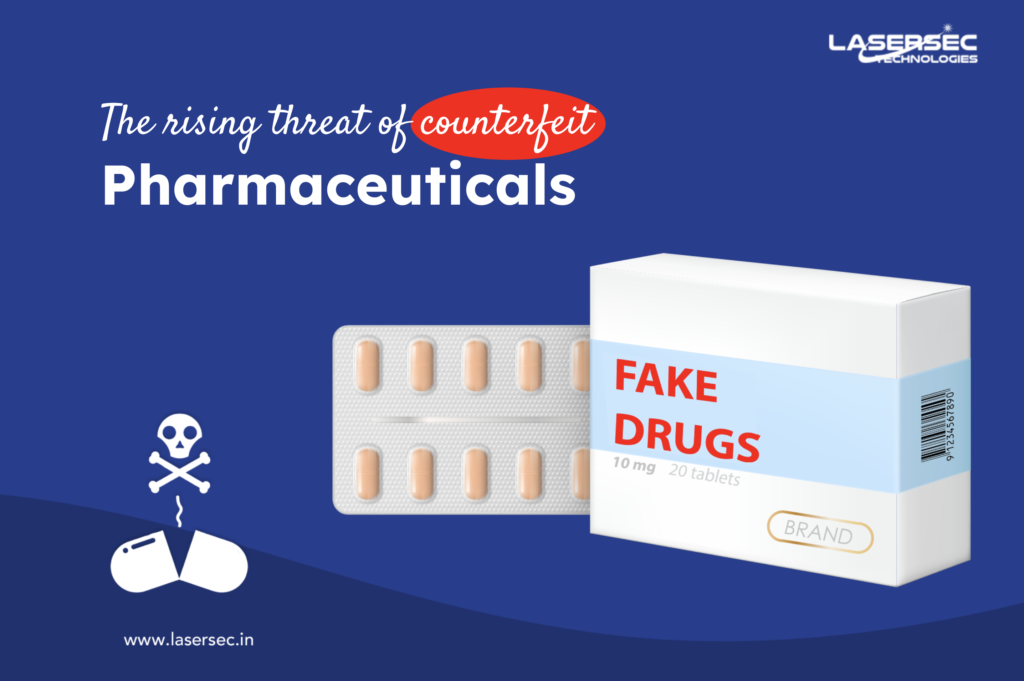
Counterfeit pharmaceuticals pose a growing threat to the pharmaceutical industry, affecting not only patient safety but also brand reputation and financial stability. In a world where the stakes are high, modern packaging technology emerges as a critical shield to safeguard your brand.

Understanding the Counterfeit Pharmaceutical Problem

The global counterfeit drug market is booming, driven by the allure of profits in an industry worth billions of dollars. Counterfeit drugs can be dangerous, containing ineffective or harmful ingredients, putting patients at risk, and eroding trust in pharmaceutical brands. This isn’t just a problem for consumers; it’s a pressing concern for pharmaceutical decision-makers.

Why Modern Packaging Matters

Effective packaging is no longer just about protecting your product; it’s about protecting your brand. Modern packaging solutions are designed not only to enhance safety but also to act as a deterrent against counterfeiters.

Let’s delve into how they do it:

1. Tamper-Evident Seals and Labels

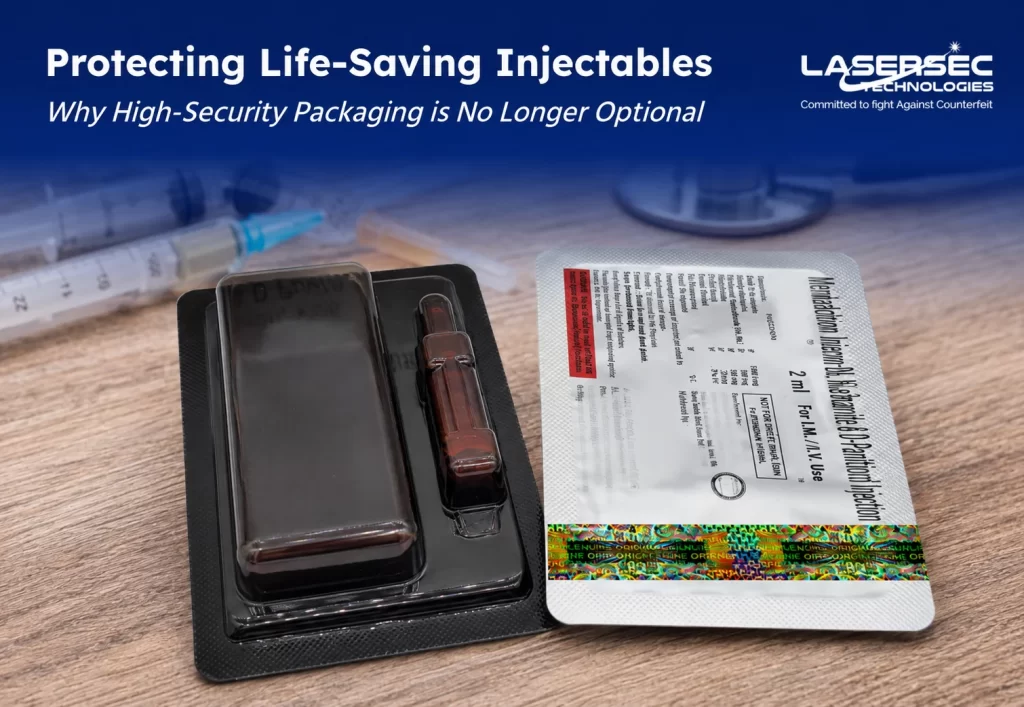
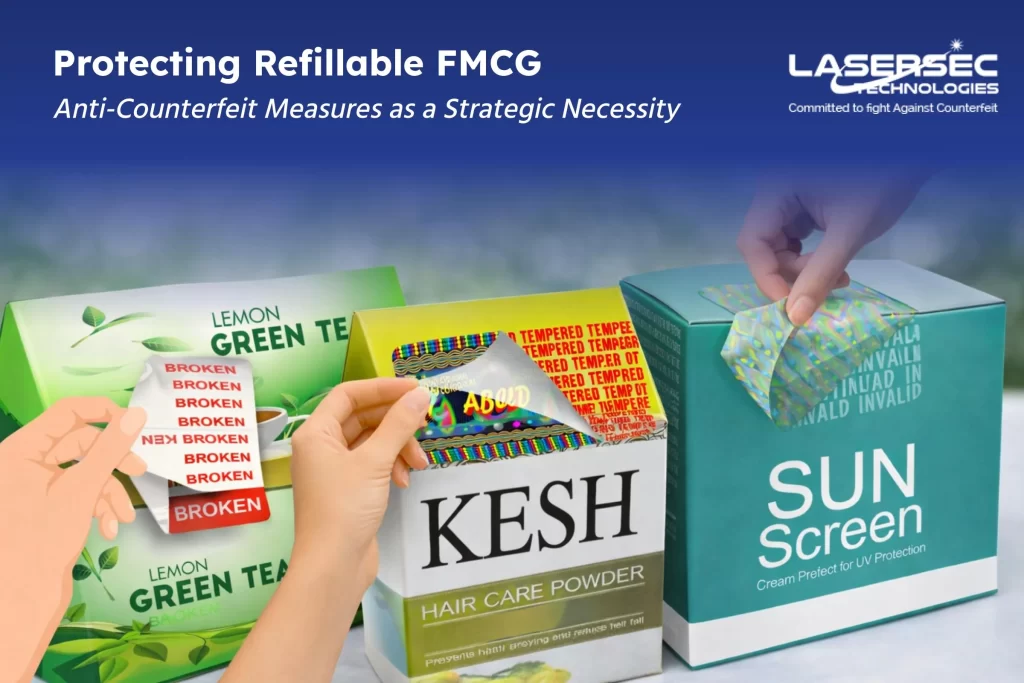
One of the simplest yet most effective tools in the fight against counterfeit drugs is tamper-evident seals and labels. These provide visible evidence if a package has been tampered with, immediately alerting consumers and supply chain stakeholders to a potential issue.

2. Holographic Aluminum Foil

It provides a clear visual indicator of authenticity. When applied to packaging or products, its holographic features are nearly impossible to replicate accurately.

3. Authentication Technologies

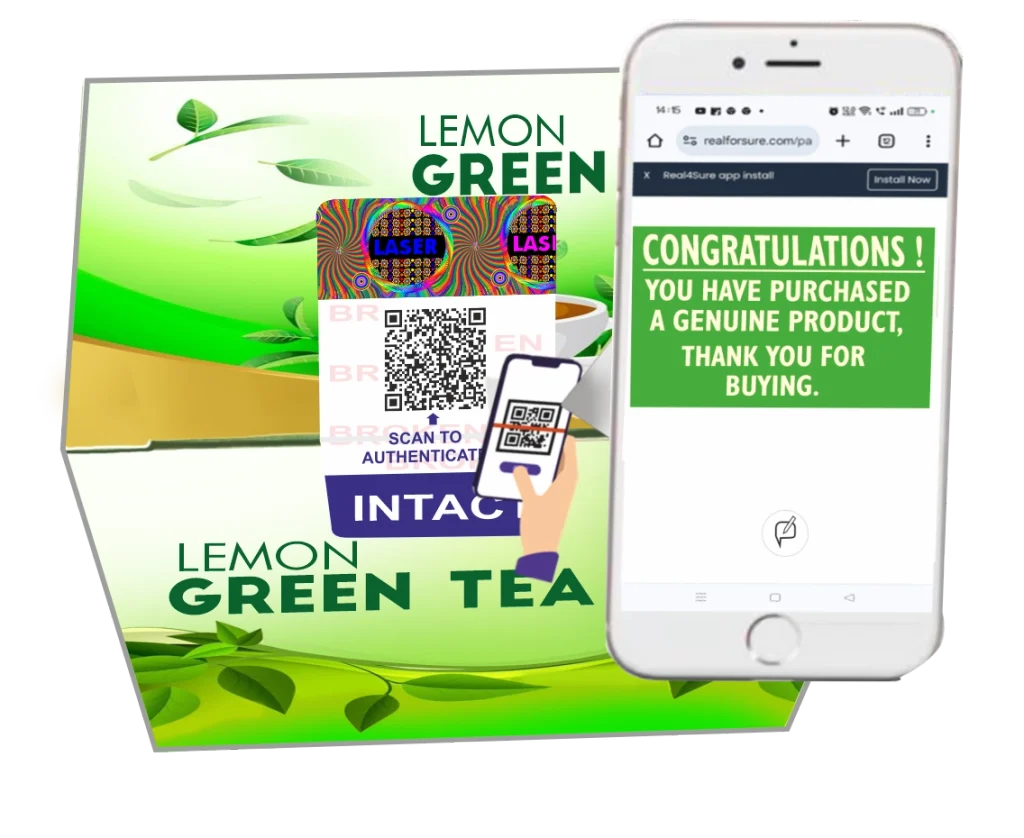
Advanced packaging incorporates authentication technologies that go beyond basic barcodes. QR codes, RFID tags, and unique serial numbers allow for easy verification by consumers and supply chain partners, ensuring product authenticity.

4. Track-and-Trace Systems

Modern packaging includes robust track-and-trace systems that enable real-time monitoring of product movement through the supply chain. This not only enhances transparency but also helps identify and intercept counterfeit products.

5. Smart Packaging Features

The era of smart packaging is here, and it’s a game-changer. Technologies like RFID and NFC can provide consumers with instant access to product information, allowing them to verify authenticity and expiration dates through their smartphones.

Navigating Regulatory Compliance

Implementing these advanced packaging technologies requires an understanding of the complex regulatory landscape in the pharmaceutical industry. Compliance with regulatory requirements is not an option; it’s a necessity. Therefore, staying informed about evolving regulations is crucial to ensure your packaging solutions meet legal standards.

The Hidden Costs of Counterfeiting

The consequences of counterfeit pharmaceuticals extend far beyond compromised patient health. The financial impact on pharmaceutical companies can be substantial, from legal battles to damaged brand reputation. Investing in modern packaging is not just a protective measure; it’s a strategic one.

Pharmaceutical companies that have embraced innovative packaging solutions have not only safeguarded their brands but have also seen improved patient trust and loyalty.

The threat of counterfeit pharmaceuticals is real and growing. However, with modern packaging technology, pharmaceutical companies can take proactive steps to protect their brands and ensure patient safety. By investing in tamper-evident seals, authentication technologies, track-and-trace systems, and smart packaging features, you can stay one step ahead of counterfeiters and secure your place in a safer, more trustworthy pharmaceutical industry.

We, Lasersec Technologies, are leading anti-counterfeit solutions manufacturers that can secure the supply chains, protect the brand reputation, and ensure consumer safety. If you’re a manufacturer or business and looking for smart packaging for your products, look no further than us. We have the knowledge, experience, and expertise to help you to find the best solution that works for your business.

Reach out to us to discuss and our team will provide you with tailored solutions and support to make the process as smooth as possible. We are also One Stop Solution to fight against counterfeit and create a more secure environment for your business. With less counterfeiting, you can maintain sales and increase customer trust.

Stay proactive, stay vigilant, and invest in the right anti-counterfeit solutions to ensure a counterfeit-free future.

About Lasersec Technologies

We are one of the leading holographic solutions manufacturing company, that are used as an anti-counterfeiting device. Our R&D team from the production area is constantly dedicated to finding innovative solutions against counterfeits. Thus, we proudly emphasize on the fact that all our solutions are original ones without any interference from any other outside companies. We have successful business alliances located in Bangladesh, South Africa, Malaysia, Sri Lanka, Nepal, United Kingdom, and countries of Europe.

You can reach us via email at mktg@lasersec.in or by phone at +91-9810213127.
Share :

Frequently Asked Questions

Related Blogs

Track and trace technology across pharma supply chain lifecycle

A pharmaceutical product begins its journey inside a controlled manufacturing environment where every process is carefully monitored.

The formulation is verified, production batches are documented, and packaging operations follow strict regulatory protocols. Once the medicine is packaged, it begins moving through warehouses, distributors, logistics partners, pharmacies, and healthcare facilities before reaching patients.

However, the moment a product leaves the manufacturing facility, visibility often becomes limited.

Without strong traceability systems, pharmaceutical companies may struggle to monitor product movement across global supply chains. This lack of visibility creates opportunities for counterfeit infiltration, product diversion, and unauthorized distribution.

To address these risks, pharmaceutical manufacturers are increasingly adopting Track & Trace technology combined with secure packaging solutions.

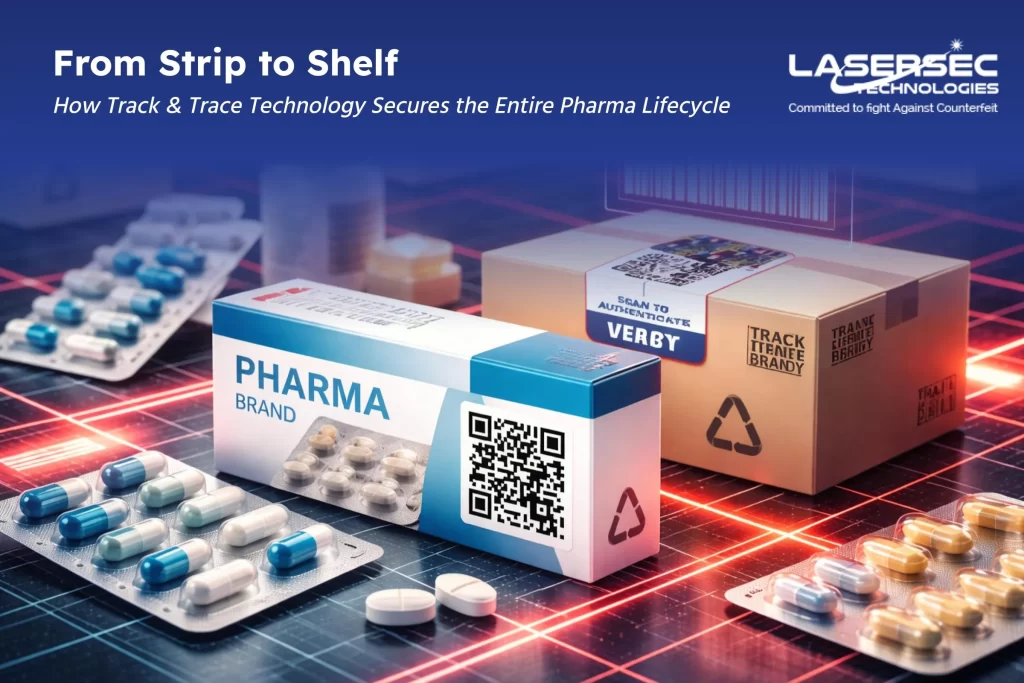
By integrating serialization, tamper-evident packaging, and digital product identities, Track & Trace systems enable manufacturers to secure the pharmaceutical life cycle—from the packaging strip to the pharmacy shelf.

Why End-to-End Traceability Is Critical in Modern Pharmaceutical Supply Chains

The pharmaceutical supply chain is one of the most complex and tightly regulated supply networks in the world.

Medicines often move across multiple countries and pass through various intermediaries including:

  • Manufacturing facilities
  • Packaging lines
  • Distribution warehouses
  • Export and import channels
  • Regional distributors
  • Pharmacies and healthcare providers

At each stage, the product may face risks such as:

  • Counterfeit drug infiltration
  • Unauthorized parallel trade
  • Repackaging or relabeling
  • Diversion to unapproved markets

Without reliable traceability systems, identifying where a product originated or how it entered a specific market becomes extremely difficult.

This is why global regulatory frameworks increasingly require serialization and Track & Trace systems that allow medicines to be tracked throughout their life cycle.

The Limitations of Traditional Pharmaceutical Packaging

Traditional pharmaceutical packaging primarily focuses on protecting the product from environmental exposure such as moisture, contamination, or physical damage.

While this is essential for product stability, conventional packaging alone cannot provide full supply chain visibility.

Standard packaging elements such as:

  • Printed batch numbers
  • bar codes
  • Product labeling
  • Packaging artwork

are designed for identification and logistics rather than authentication and traceability.

These elements can be copied or replicated by counterfeiters, making it difficult to confirm product authenticity based solely on visual inspection.

To secure modern pharmaceutical supply chains, packaging must evolve beyond protection and become a source of verifiable product identity.

What Is Track & Trace Technology in Pharmaceutical Packaging

Track & Trace technology enables pharmaceutical manufacturers to assign a unique digital identity to every product unit.

This identity is typically created through serialization during the packaging process.

Serialized identifiers may include:

  • Unique QR codes
  • Data Matrix codes
  • Alphanumeric product identifiers

Each code is linked to a secure database containing product information such as:

  • Manufacturing origin
  • Batch and production details
  • Packaging line information
  • Distribution records
Every time the product moves through the supply chain and the code is scanned, the system records a verification event. This creates a transparent history of the product’s movement from production to final delivery.

From Strip to Shelf: How Track & Trace Secures Each Stage of the life cycle

Track & Trace systems secure the pharmaceutical life cycle by providing visibility at every stage of product movement.

The process begins during primary packaging, such as blister strips or strip foils, where serialization codes may be applied or linked to the packaging unit.

During secondary packaging, serialized codes are integrated into cartons or labels that carry the product identity.

At this stage, tamper-evident packaging features are often added to ensure that the product cannot be opened or altered without detection.

As the product moves through warehouses and distribution channels, each scan event confirms that the product remains authentic and within authorized supply networks.

By the time the medicine reaches pharmacies or healthcare providers, its complete traceability record can be verified through the Track & Trace system.

The Role of Tamper-Evident Packaging in life cycle Security

While Track & Trace technology provides digital visibility, tamper-evident packaging ensures physical product integrity.

Tamper-evident features reveal if packaging has been opened, altered, or manipulated after leaving the manufacturing facility.

These features may include:

If tampering occurs, the packaging clearly indicates interference, allowing distributors and regulators to identify compromised products quickly.

When combined with serialization, tamper-evident packaging provides both physical protection and digital verification.

Understanding the Role of Digital Twins in Pharmaceutical Traceability

A key concept in modern Track & Trace systems is the creation of a digital twin for each pharmaceutical product unit.

A digital twin is a digital representation of a physical product that exists within a secure data environment.

When a serialized product is packaged, its digital twin is created within the authentication platform.

This digital identity contains important information including:

  • Manufacturing records
  • Packaging data
  • Supply chain verification history
  • Product authentication status

Whenever the product code is scanned, the system verifies whether the physical product matches its digital twin.

If discrepancies appear—such as duplicate codes or scans in unauthorized regions—the system immediately flags potential counterfeit activity. This allows manufacturers to detect risks early and respond quickly.

Strengthening Regulatory Compliance with Track & Trace Systems

Regulatory agencies around the world are increasingly requiring pharmaceutical companies to implement traceability systems.

These requirements are designed to improve transparency, prevent counterfeit drugs, and protect patient safety.

Track & Trace systems help manufacturers meet these regulatory expectations by enabling:

  • Unit-level serialization
  • Supply chain verification
  • Product authentication
  • Rapid recall management
  • Distribution monitoring
When regulators or inspectors need to verify a product’s origin or authenticity, the system can provide instant verification data. This strengthens regulatory confidence and reduces compliance risks.

Why Pharmaceutical Manufacturers Are Upgrading to End-to-End Traceability

Pharmaceutical manufacturers are increasingly moving toward integrated packaging and traceability systems rather than relying on isolated security measures.

End-to-end Track & Trace systems provide several strategic benefits:

  • Strong protection against counterfeit drug infiltration
  • Real-time visibility across supply chains
  • Faster identification of unauthorized distribution
  • Improved recall management capabilities
  • Stronger compliance with global regulatory requirements
By combining serialization, tamper-evident packaging, and authentication systems, manufacturers can secure their products throughout the entire life cycle.

How Lasersec Technologies Supports End-to-End Pharmaceutical Security

At Lasersec Technologies, we provide integrated pharmaceutical packaging and authentication solutions designed to support end-to-end product security.

Our technologies combine secure packaging features, serialization-ready labeling, holographic authentication elements, and Track & Trace systems to create a comprehensive pharmaceutical protection framework.

These solutions help pharmaceutical manufacturers:

  • Implement reliable product serialization
  • Protect packaging through tamper-evident technologies
  • Enable secure authentication through QR-based verification
  • Improve supply chain monitoring
  • Strengthen regulatory compliance and brand protection

By integrating physical packaging security with digital traceability systems, we help pharmaceutical companies maintain full control over their products from manufacturing to patient delivery.

Tamper-proof labels used in automotive parts packaging

Automotive components move through a long and complex supply chain before reaching service centers, distributors, and vehicle owners.

From manufacturing plants to warehouses, distributors, spare parts dealers, and repair workshops, automotive parts often pass through multiple hands before final installation.

While this network enables global distribution, it also creates opportunities for fraud and counterfeit infiltration.

One of the most common challenges in the automotive aftermarket is part swapping and component reuse.

In such cases, genuine components are removed from original packaging and replaced with counterfeit or refurbished parts before resale.

The packaging may appear genuine, but the product inside may not be the original component.

For automotive manufacturers and authorized distributors, this creates serious risks for product quality, brand reputation, and customer safety.

This is why tamper-proof labels are becoming an essential part of automotive packaging security.

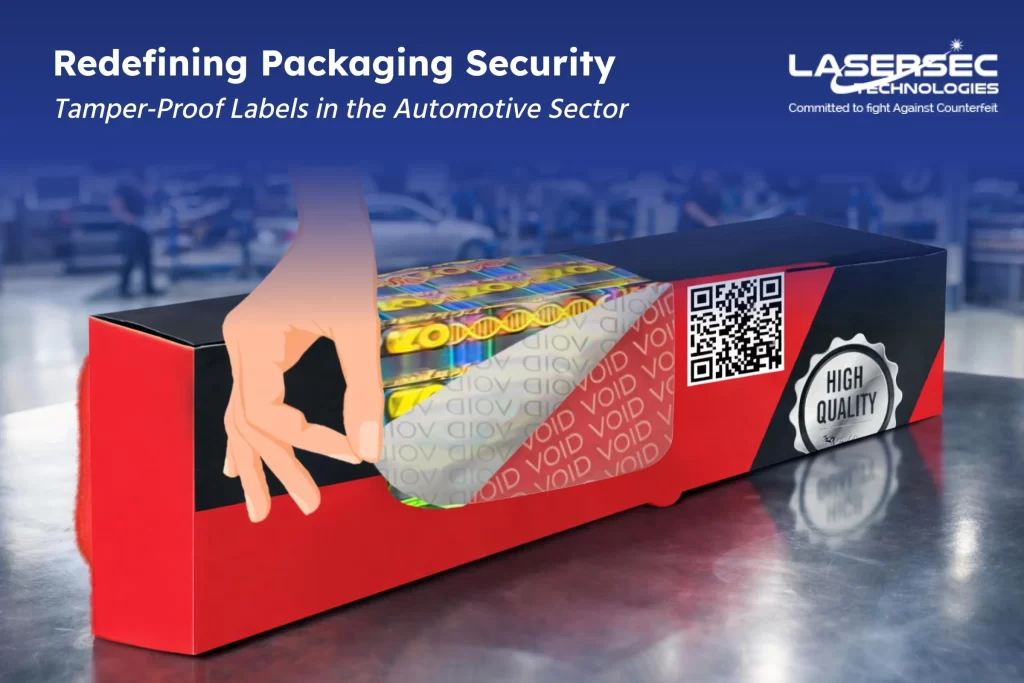
These labels provide clear visual evidence if packaging has been opened or altered, helping manufacturers protect genuine components from unauthorized reuse or substitution.

The Rising Risk of Counterfeit and Reused Automotive Parts

The global automotive aftermarket is worth billions of dollars and includes a wide range of spare parts such as filters, brake components, sensors, engine parts, and electrical modules.

This high demand makes the sector particularly vulnerable to counterfeit and fraudulent practices.

Some common risks include:

  • Counterfeit components sold in genuine packaging
  • Genuine parts removed and replaced with fake substitutes
  • Used or refurbished parts resold as new
  • Packaging opened and resealed during distribution
  • Unauthorized parts entering official supply chains

These practices not only affect brand credibility but can also lead to serious vehicle performance issues and safety risks.

For example, counterfeit brake pads, filters, or engine components can compromise vehicle reliability and increase the likelihood of mechanical failure.

Preventing such risks requires stronger packaging authentication and tamper detection mechanisms.

Why Standard Packaging Cannot Prevent Part Swapping

Traditional packaging used for automotive spare parts is primarily designed for product protection during transport and storage.

Boxes, cartons, and standard labels help identify the product but offer limited protection against deliberate tampering.

Common packaging elements such as:

  • Printed labels
  • Adhesive stickers
  • bar codes
  • Shrink wraps

can often be removed and replaced without obvious signs of interference.

This allows fraudulent actors to open packaging, swap components, and reseal the product while maintaining the appearance of authenticity.

As a result, counterfeit or reused parts may reach distributors or customers without immediate detection.

For high-value automotive components, manufacturers require packaging solutions that make any unauthorized access immediately visible.

What Are Tamper-Proof Labels in Automotive Packaging

Tamper-proof labels are specialized security labels designed to reveal clear evidence if someone attempts to remove or reposition them.

Unlike standard labels, tamper-evident labels incorporate materials and adhesives that prevent clean removal.

Once applied, these labels create a permanent bond with the packaging surface.

If someone tries to remove the label, it will typically:

  • Break apart
  • Leave visible adhesive residue
  • Display a hidden security message such as VOID

This makes it impossible to open packaging without leaving visible signs of interference.

Tamper-proof labels are widely used in automotive packaging to protect spare parts and ensure that products remain sealed until they reach authorized users.

Preventing Part Swapping and Reuse Fraud

Part swapping is one of the most common forms of fraud in the automotive aftermarket.

A genuine component may be removed from its original packaging and replaced with a counterfeit or low-quality substitute.

The packaging is then resealed and sold as a genuine product.

Tamper-proof labels help prevent this practice by ensuring that packaging cannot be opened without triggering visible damage.

Once someone breaks the label seal, they cannot restore it to its original condition.

This allows distributors, mechanics, and customers to immediately detect whether the packaging has been previously opened.

In addition, tamper-evident labels discourage fraudulent behavior because they increase the likelihood of detection.

Protecting Genuine Automotive Spare Parts

Automotive manufacturers invest heavily in engineering, testing, and quality control to ensure that their components meet strict performance and safety standards.

When counterfeit or substituted parts enter the market, these standards are compromised.

Tamper-proof labels help manufacturers protect genuine spare parts by ensuring that packaging integrity remains intact throughout the distribution process.

These labels may be placed across:

  • Carton opening flaps
  • Product sealing points
  • Spare part containers
  • Protective packaging layers

If anyone tries to access the product before delivery, the tamper-evident label clearly reveals the interference.

Strengthening Automotive Supply Chain Security

The automotive supply chain involves multiple intermediaries including logistics providers, warehouses, distributors, and service networks.

Because products move across multiple locations, monitoring packaging integrity becomes challenging.

Tamper-proof labels provide a simple yet effective way to strengthen supply chain security.

If a package arrives with a broken or damaged security label, it immediately signals that the product may have been accessed during transit.

This allows distributors to isolate suspicious products before they reach service centers or customers.

Such visibility improves supply chain control and reduces the risk of counterfeit or reused parts entering authorized networks.

Supporting Brand Protection in the Automotive Aftermarket

Brand reputation is critical for automotive manufacturers.

Customers rely on genuine spare parts to maintain vehicle performance, reliability, and safety.

When counterfeit or substituted components reach the market, the brand may be blamed even if the manufacturer was not responsible for the fraud.

Tamper-proof labels support brand protection by ensuring that genuine packaging cannot be opened or manipulated without detection.

Many manufacturers also integrate additional security features into tamper-evident labels, including:

  • Holographic security elements
  • Serialized identification codes
  • QR-based product authentication
These features make labels harder to replicate and provide additional verification capabilities for distributors and service centers.

Why Automotive Manufacturers Are Adopting Tamper-Evident Packaging

As counterfeit automotive parts become more sophisticated, manufacturers are strengthening packaging security to protect their products.

Tamper-proof labels provide several important advantages:

  • Prevention of part swapping and reuse fraud
  • Visible evidence of packaging interference
  • Protection of genuine spare parts
  • Improved supply chain monitoring
  • Stronger brand protection in aftermarket channels

These benefits make tamper-evident labels an increasingly important component of modern automotive packaging strategies.

How Lasersec Technologies Supports Automotive Packaging Security

At Lasersec Technologies, we provide advanced tamper-proof labeling solutions designed to protect automotive components throughout the supply chain.

Our tamper-evident labels integrate specialized materials and security features that make packaging interference immediately visible.

These solutions help automotive manufacturers:

  • Prevent spare part substitution and reuse fraud
  • Protect genuine components from tampering
  • Strengthen packaging authentication
  • Improve supply chain security
  • Safeguard brand reputation in aftermarket channels

By integrating tamper-proof labeling technologies into automotive packaging, we help brands maintain product integrity from manufacturing to installation.